Project: International Official LEGO Shop
Project No: BDS_285105
Client: LEGO + BOI Creative & Design
Concept: 2022
Completed: 2023
Typology: Fashion + Toy Product
Status: Idea
Location: Copenhagen, Denmark
Number of Bricks: More than 4,700 LEGO pieces
Materials: 100% LEGO Bricks + Digital Design (Bricklink Studio)
Design: Vi Boi Studio + BOI Creative & Design
Portfolio: Vi Boi Studio
Project No: BDS_285105
Client: LEGO + BOI Creative & Design
Concept: 2022
Completed: 2023
Typology: Fashion + Toy Product
Status: Idea
Location: Copenhagen, Denmark
Number of Bricks: More than 4,700 LEGO pieces
Materials: 100% LEGO Bricks + Digital Design (Bricklink Studio)
Design: Vi Boi Studio + BOI Creative & Design
Portfolio: Vi Boi Studio
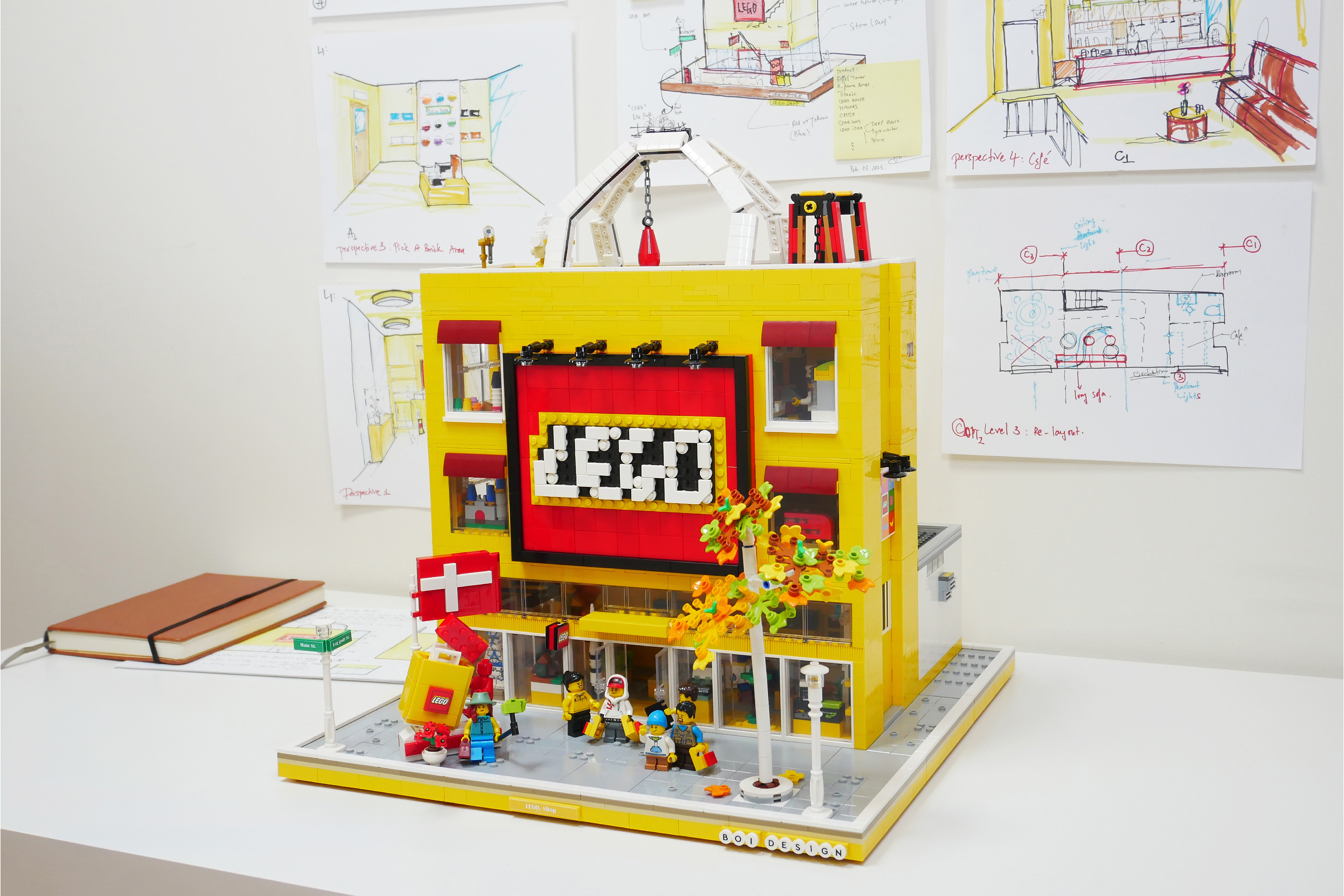
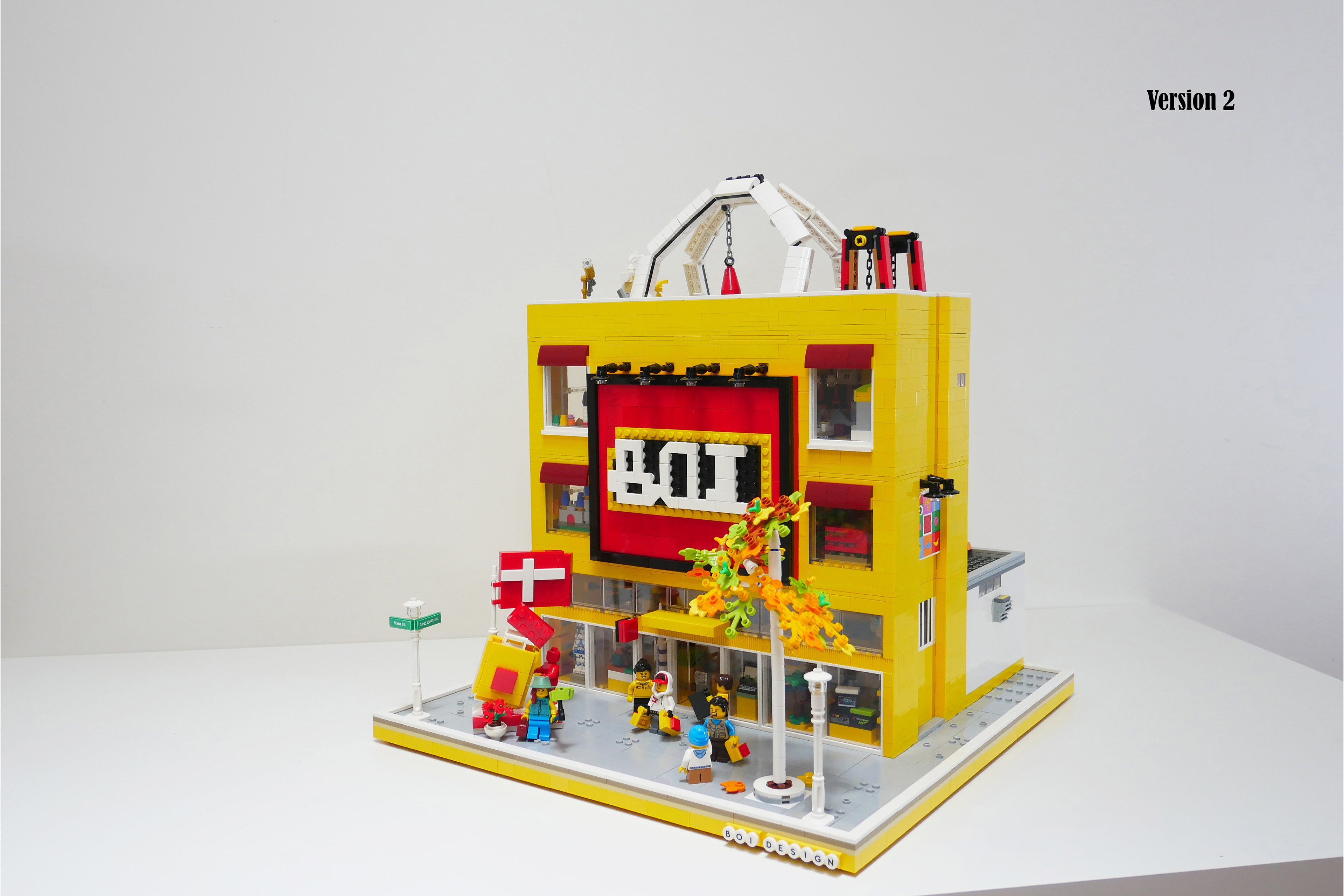
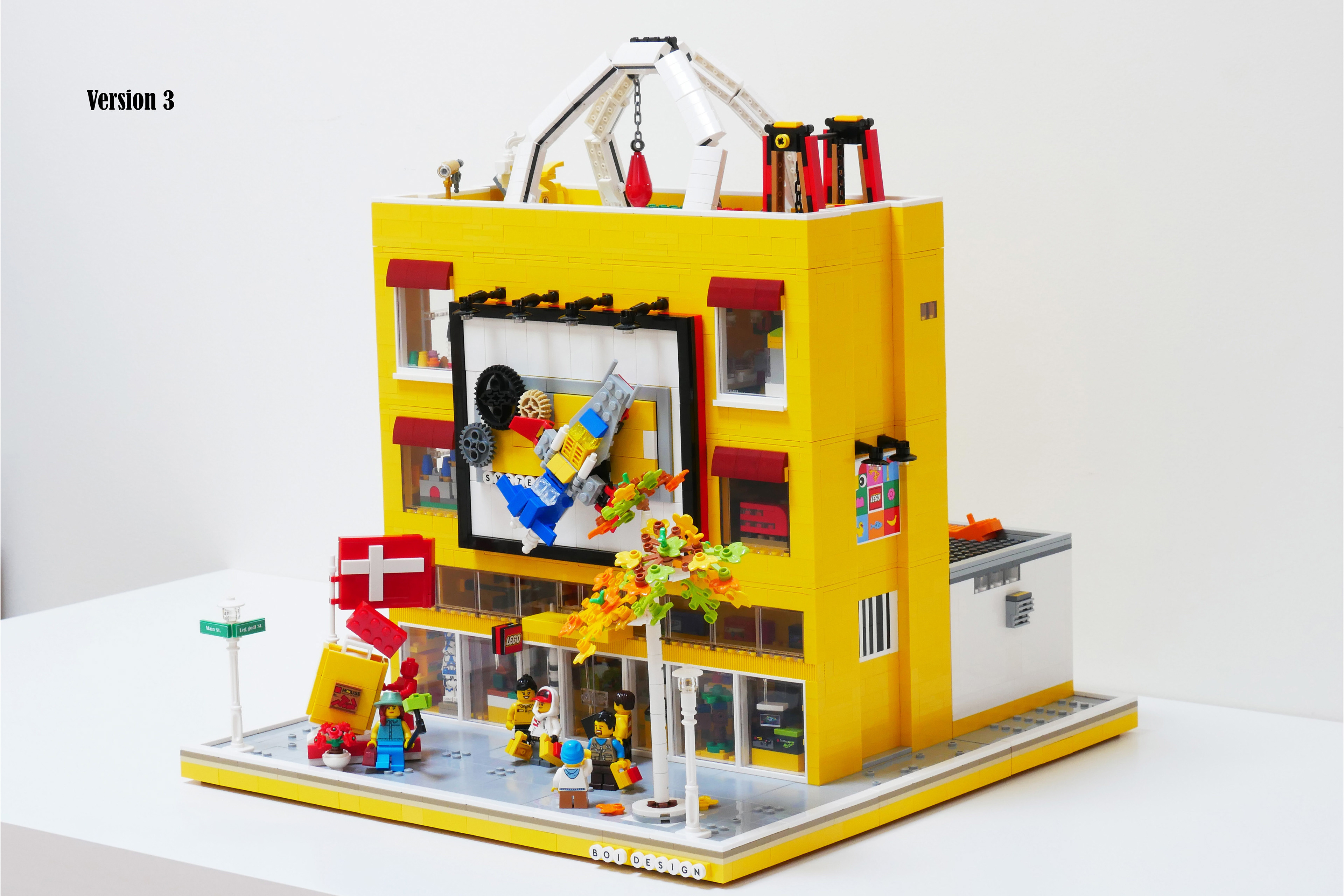
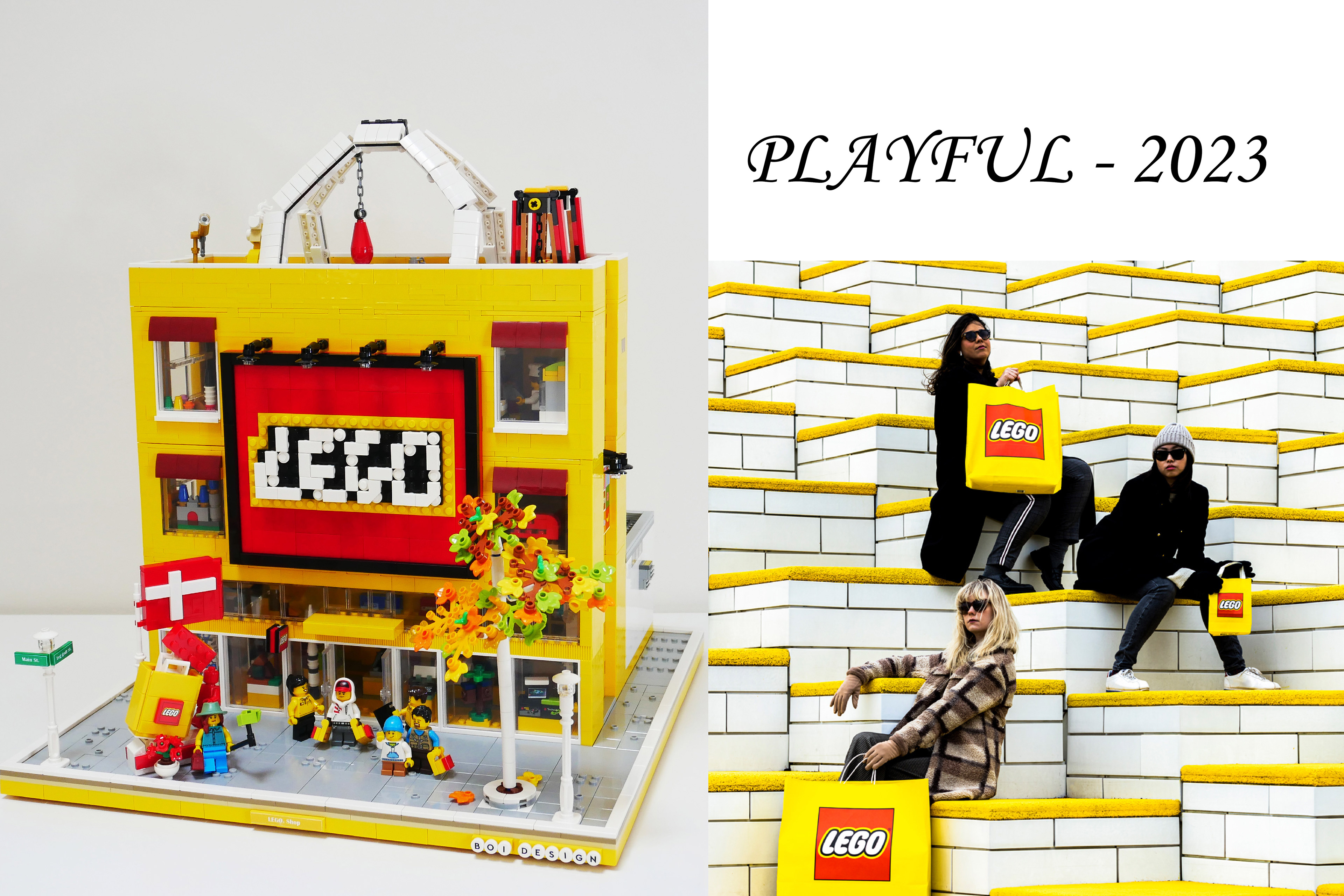
The International Official LEGO Shop is one of the largest modular LEGO architectural models designed by the BOI Design's Team in 2022. It’s a contemporary flagship LEGO retail store located in Copenhagen, Denmark. It represents a personal exploration of LEGO as an architectural medium and celebrates the relationship between play, design, architecture, branding, and storytelling. More than just a retail building, this project is envisioned as a destination where people can explore, shop, build, play, gather, and create memories together. Architecture is not only about creating a building. It is about creating an experience. And LEGO provides one of the most powerful ways to begin that experience: "Start with a simple brick. Build an idea. Give it form. Then let people play." Then it is similar to our philosophy: "Play in Formgiving - Play, Keep Play and Play Well."
This MOC project explores how to transform the iconic LEGO shopping bag image into a complete architectural experience through the use of LEGO bricks. The design combines playful geometric shapes, contemporary retail architecture, and LEGO's distinctive visual language to create a multi-functional building: a LEGO store, exhibition space, café, play area, and community connection destination.
Copenhagen Street
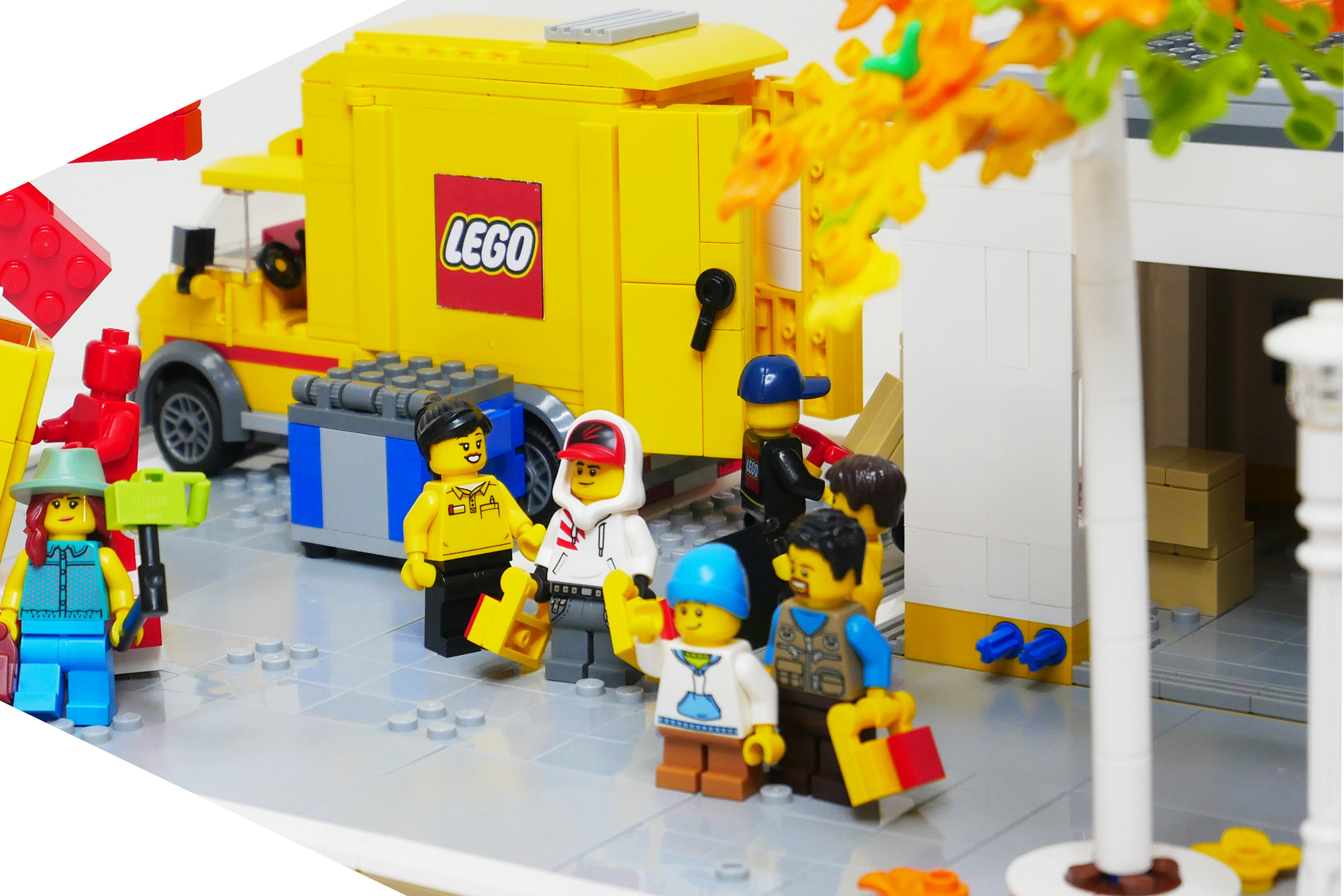
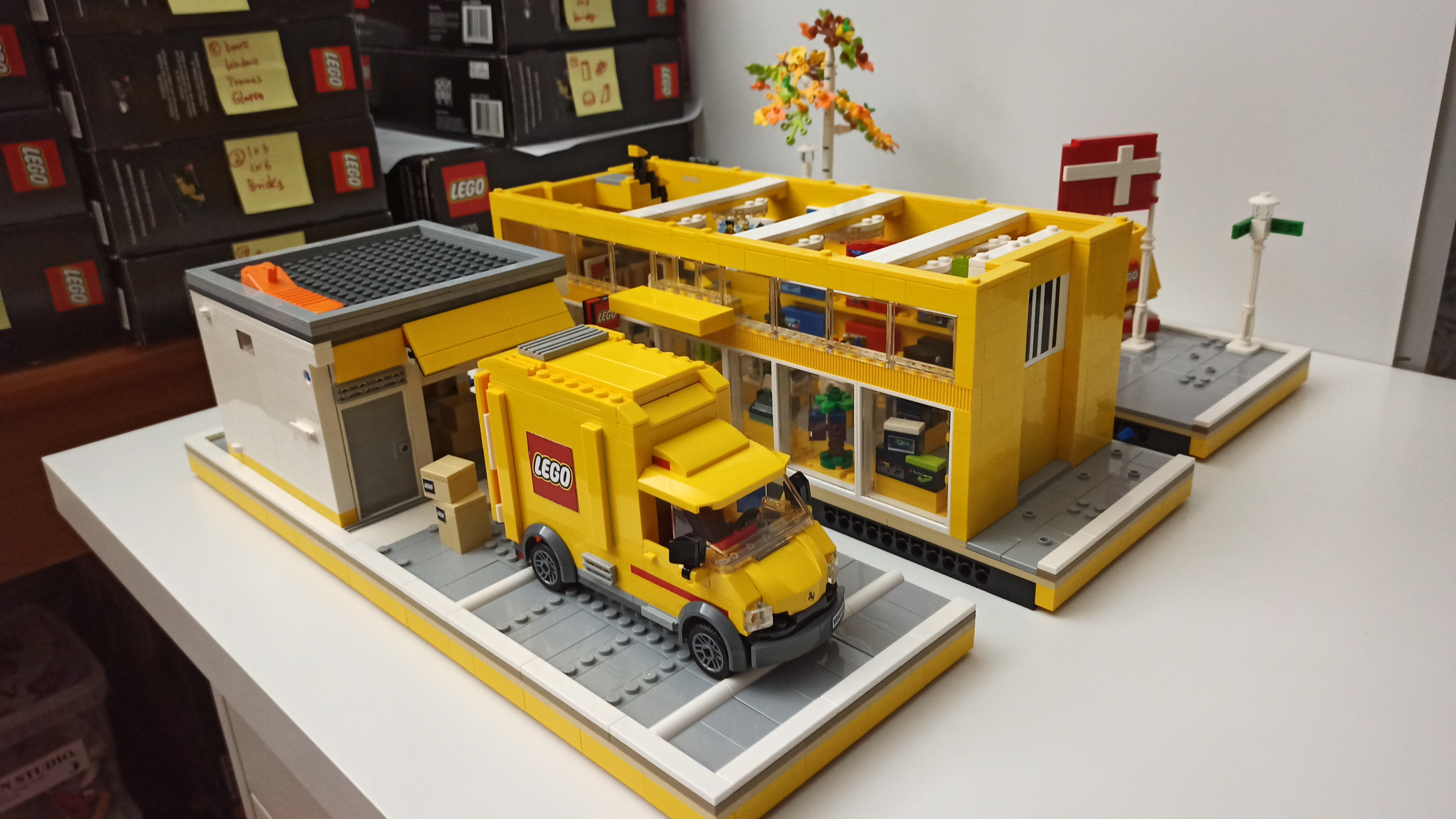
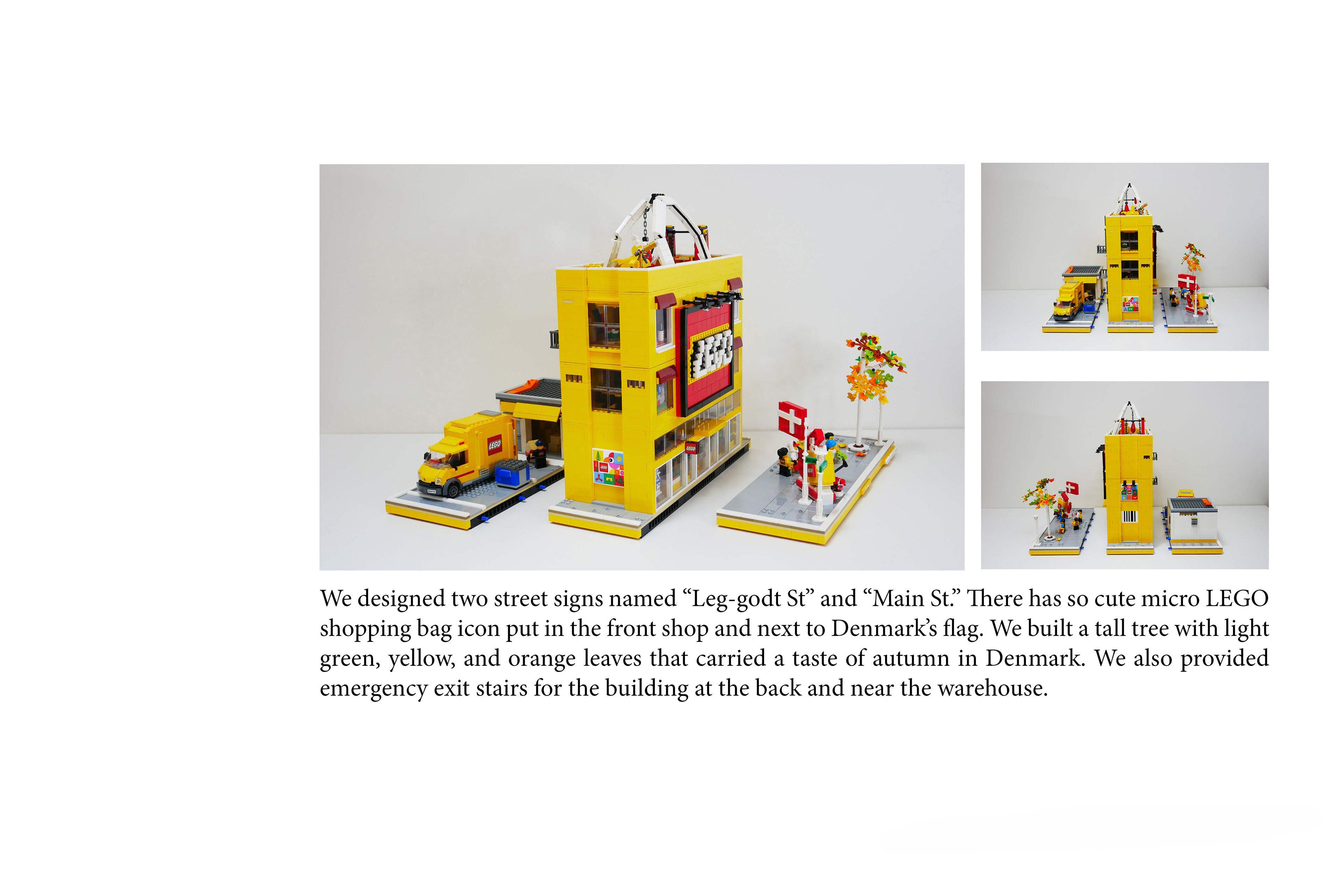
The building is imagined as part of Copenhagen's urban environment, combining LEGO's global identity with a Scandinavian architectural setting. Two street signs—“Leg-godt St” and “Main St.”—establish a playful connection between LEGO's Danish heritage and the fictional urban context of the project. A small LEGO shopping-bag icon is positioned near the entrance together with the Danish flag, creating a subtle connection between the LEGO brand and its Danish origins. The surrounding landscape includes a tall tree with light green, yellow, and orange foliage, introducing a seasonal Danish autumn atmosphere to the streetscape. Emergency circulation and service stairs are integrated toward the rear of the building, providing access between the main shop, warehouse, and roof level.
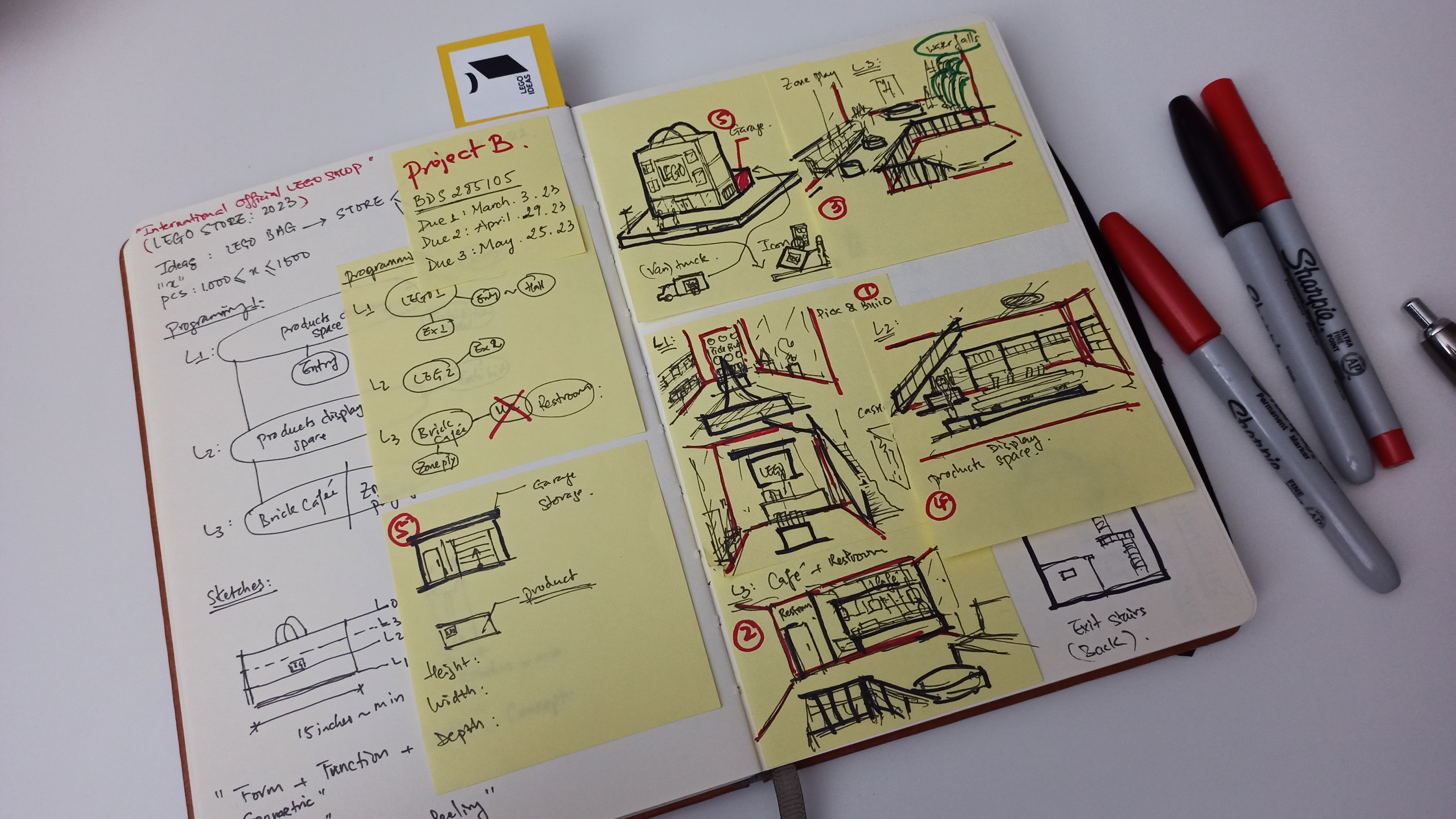
How can a LEGO shopping bag become architecture?
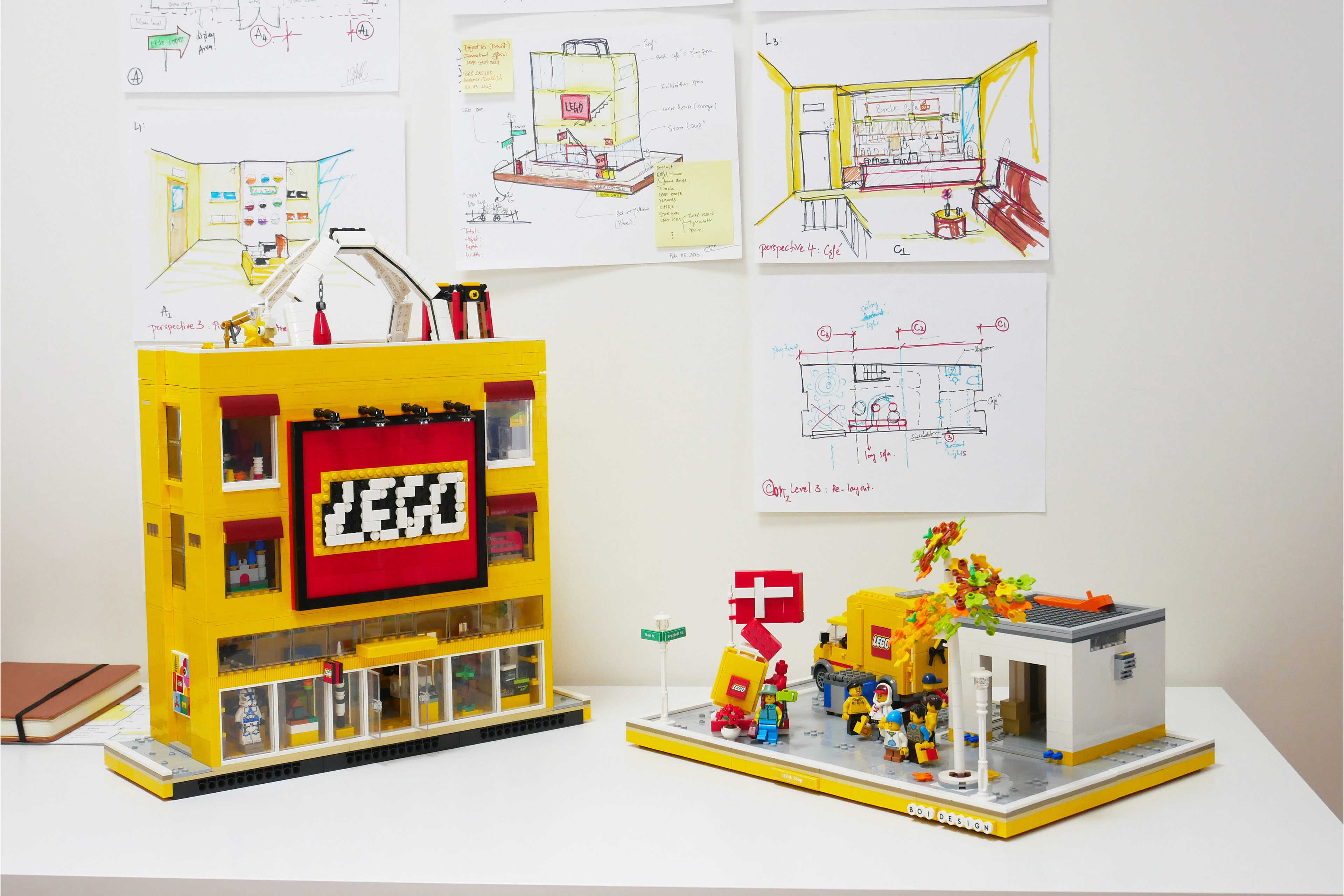
The initial idea was developed through sketches, studies of simple geometric forms, and physical LEGO experimentation before being transformed into the final modular building.
The design follows one of my fundamental approaches to architectural model-making: “When you design a building, any building, you need to start with a simple shape. And when you build the model, you must first pick a simple brick.”
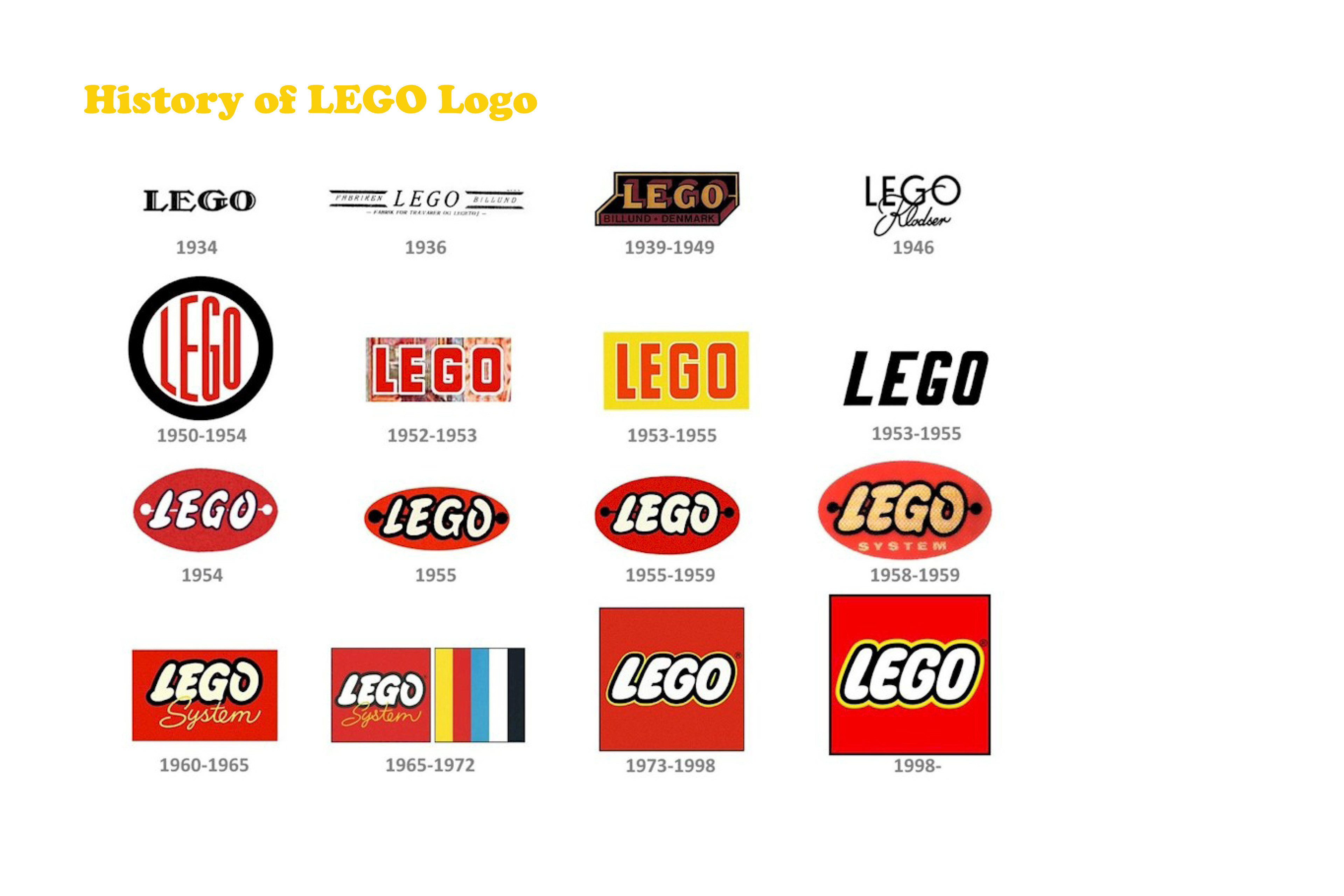
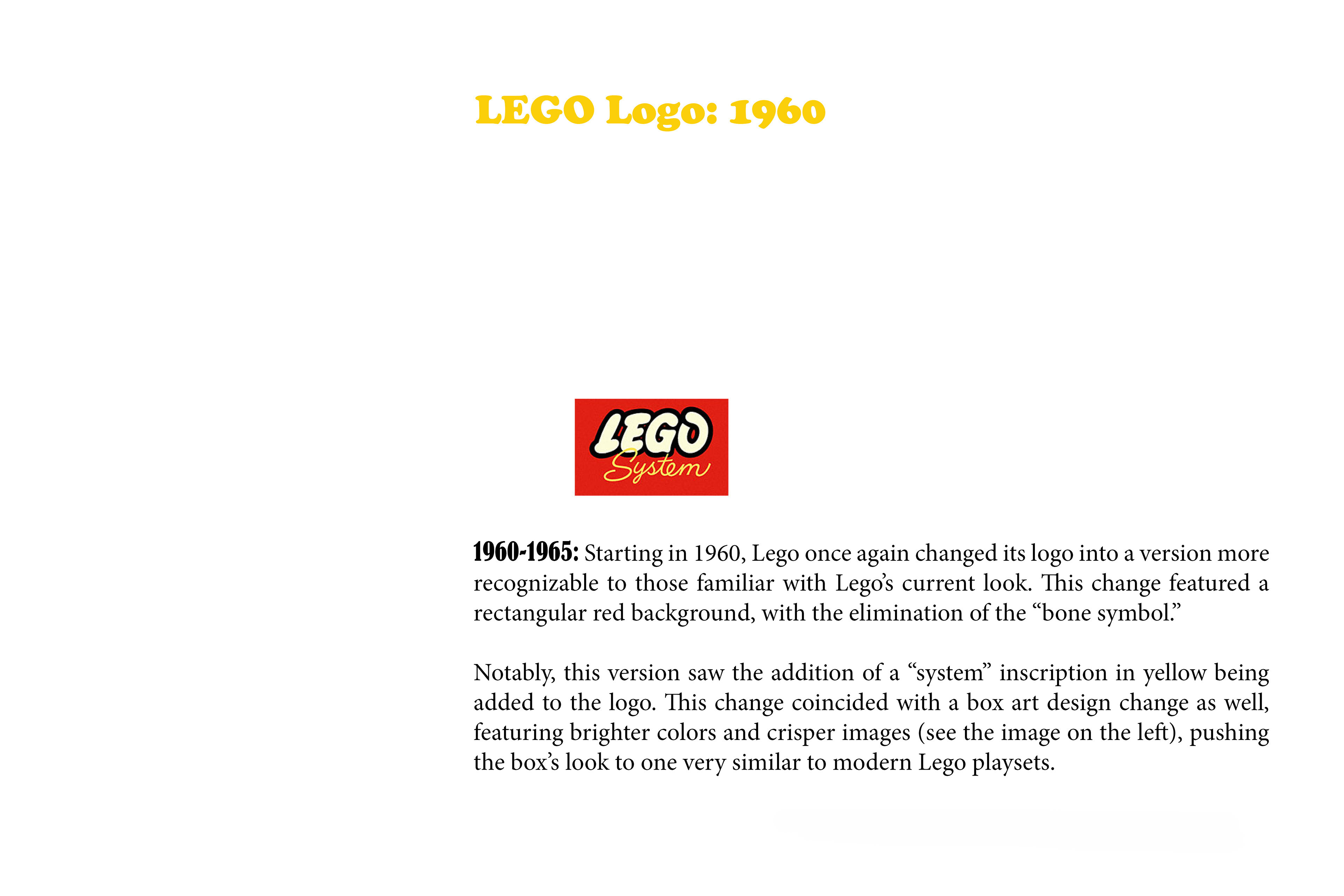
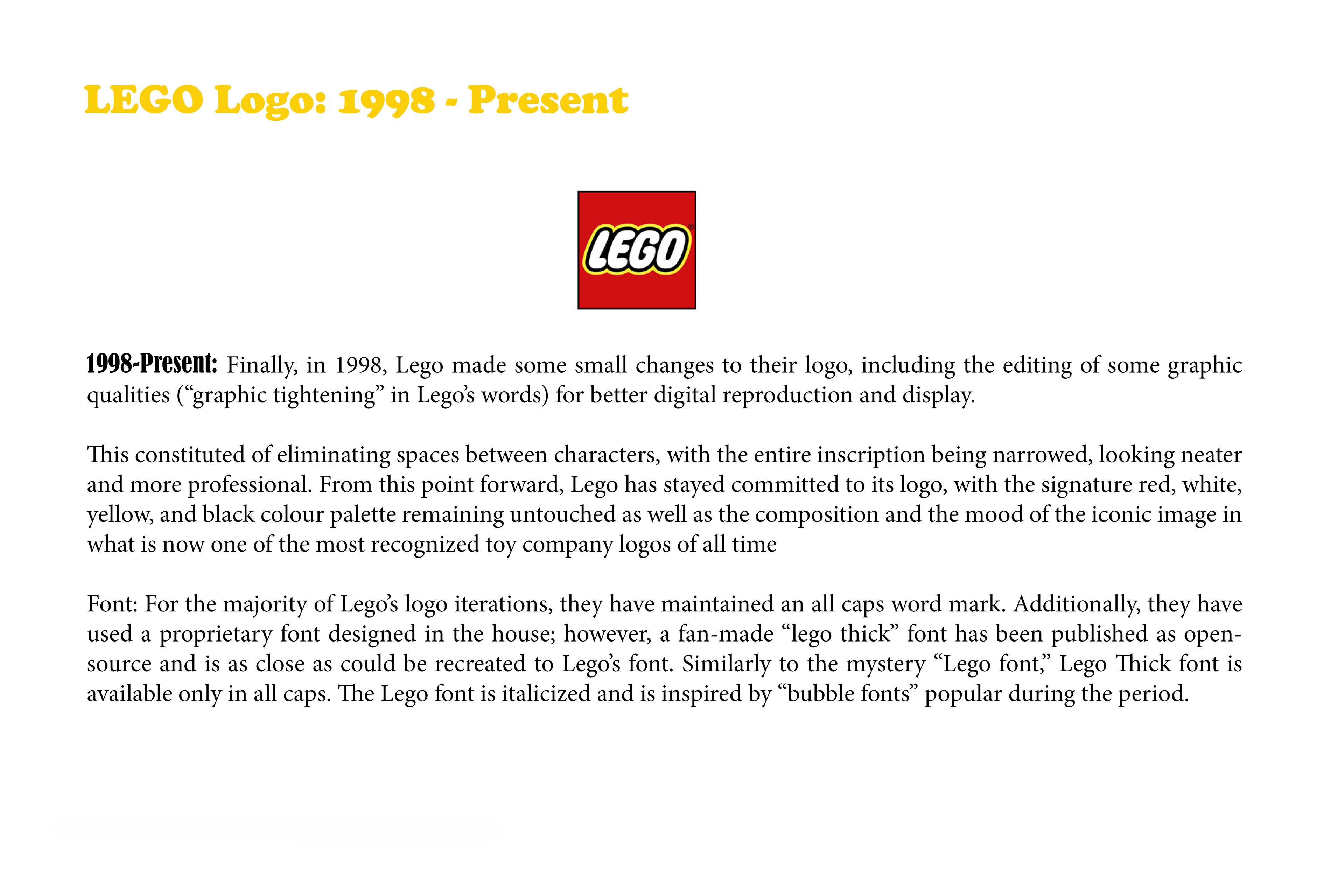
This LEGO MOC project was also developed to commemorate 25 years of the LEGO logo's visual identity from 1998 onward, while celebrating LEGO as one of the world's most recognizable toy and creative brands. The design reflects LEGO's long history of product development, brand evolution, creativity, and the philosophy of continuously building, rebuilding, and imagining new possibilities.
BIG CONCEPT: PLAYFUL · FASHIONABLE
The architectural concept combines two qualities that define the project:
Playful — expressing LEGO's creativity, imagination, color, modularity, and relationship with children and families.
Fashionable — translating the visual language of the contemporary LEGO shopping bag into a clean, recognizable, and sophisticated architectural form.
Color
The primary color palette is inspired by the visual identity of the LEGO shopping bag: Yellow · Red · White. These colors are used strategically throughout the exterior and interior to create a recognizable LEGO atmosphere while maintaining a clear architectural composition. The bright palette reinforces the project's themes of play, creativity, energy, and accessibility.
Architectural Form & Material Expression
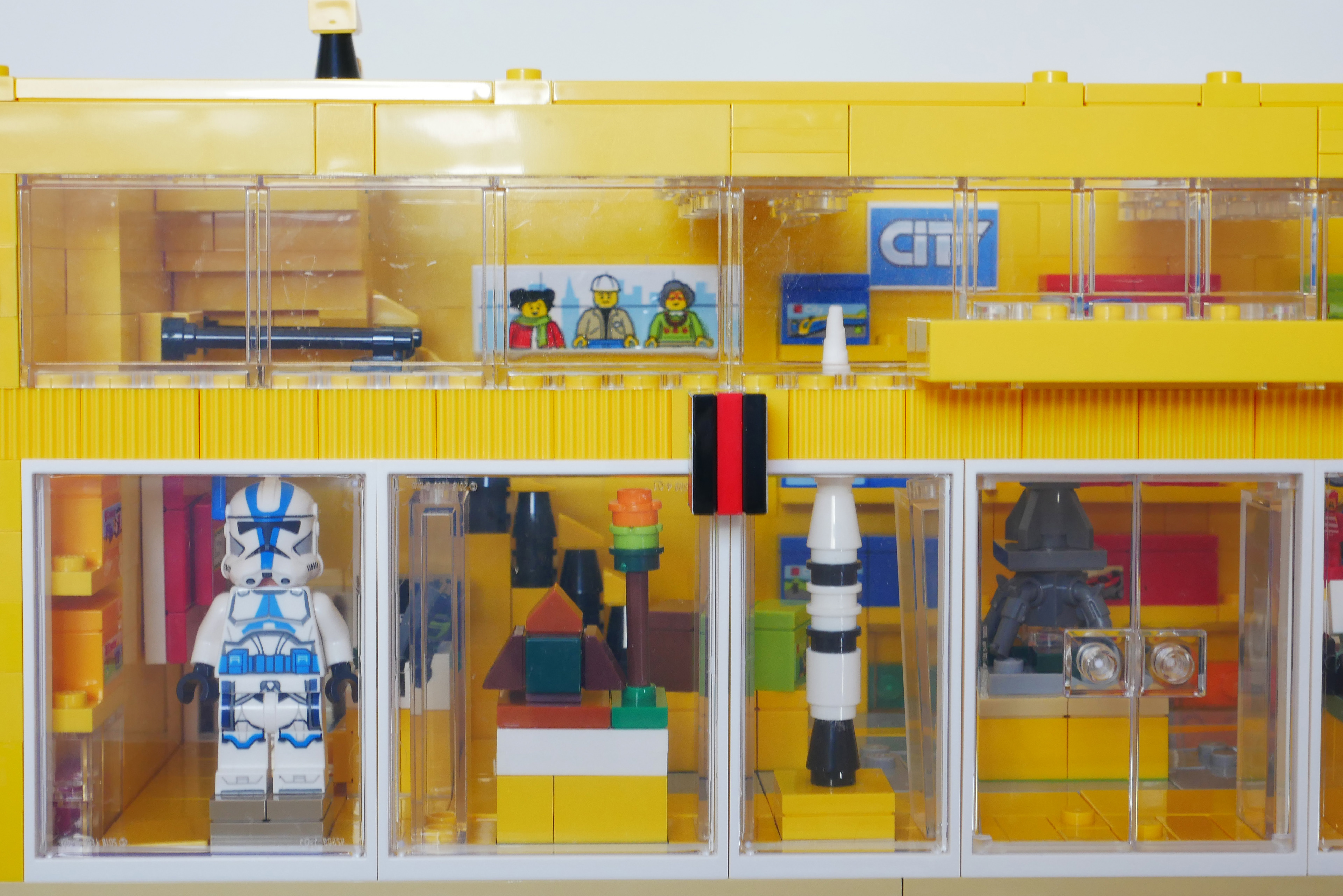
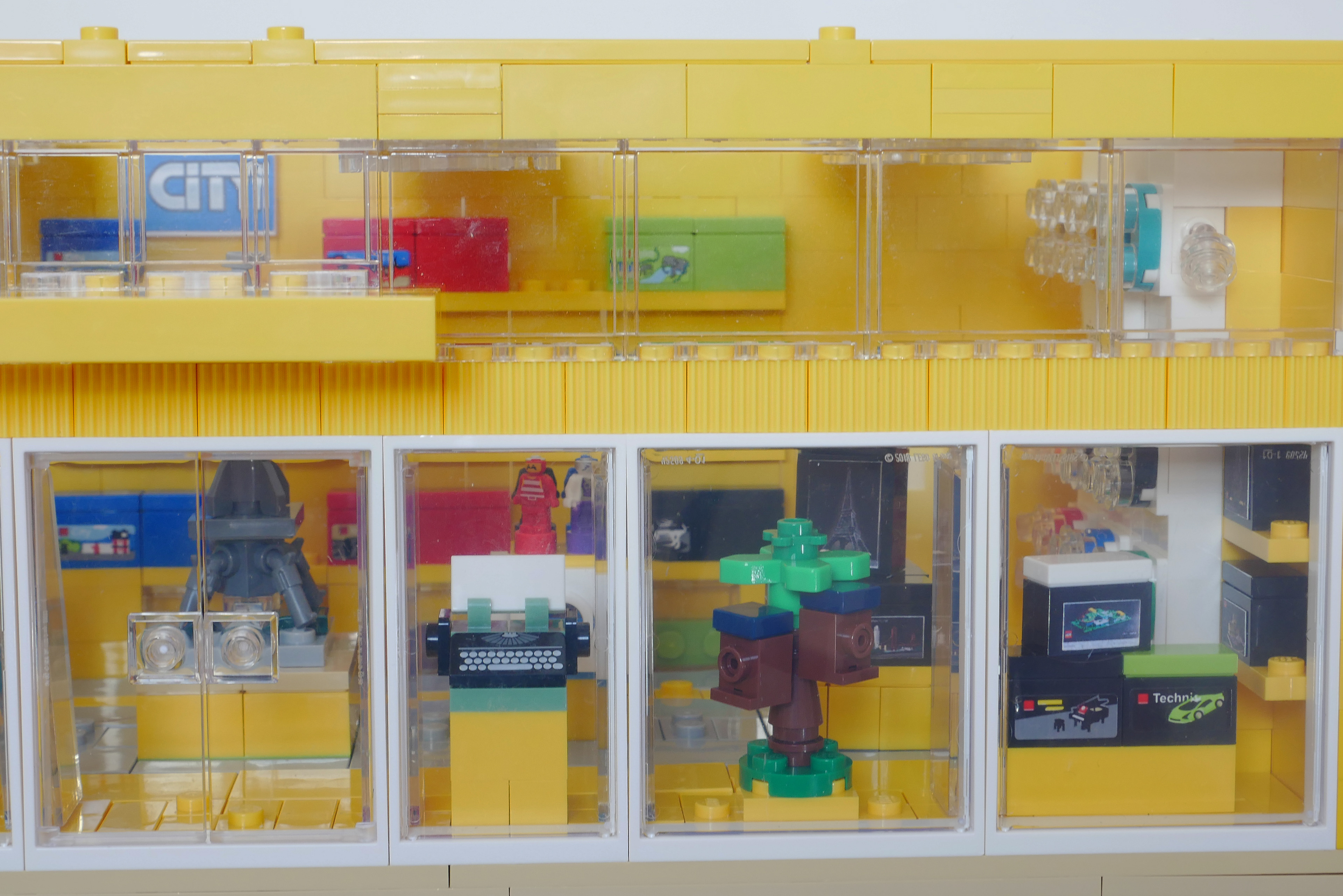
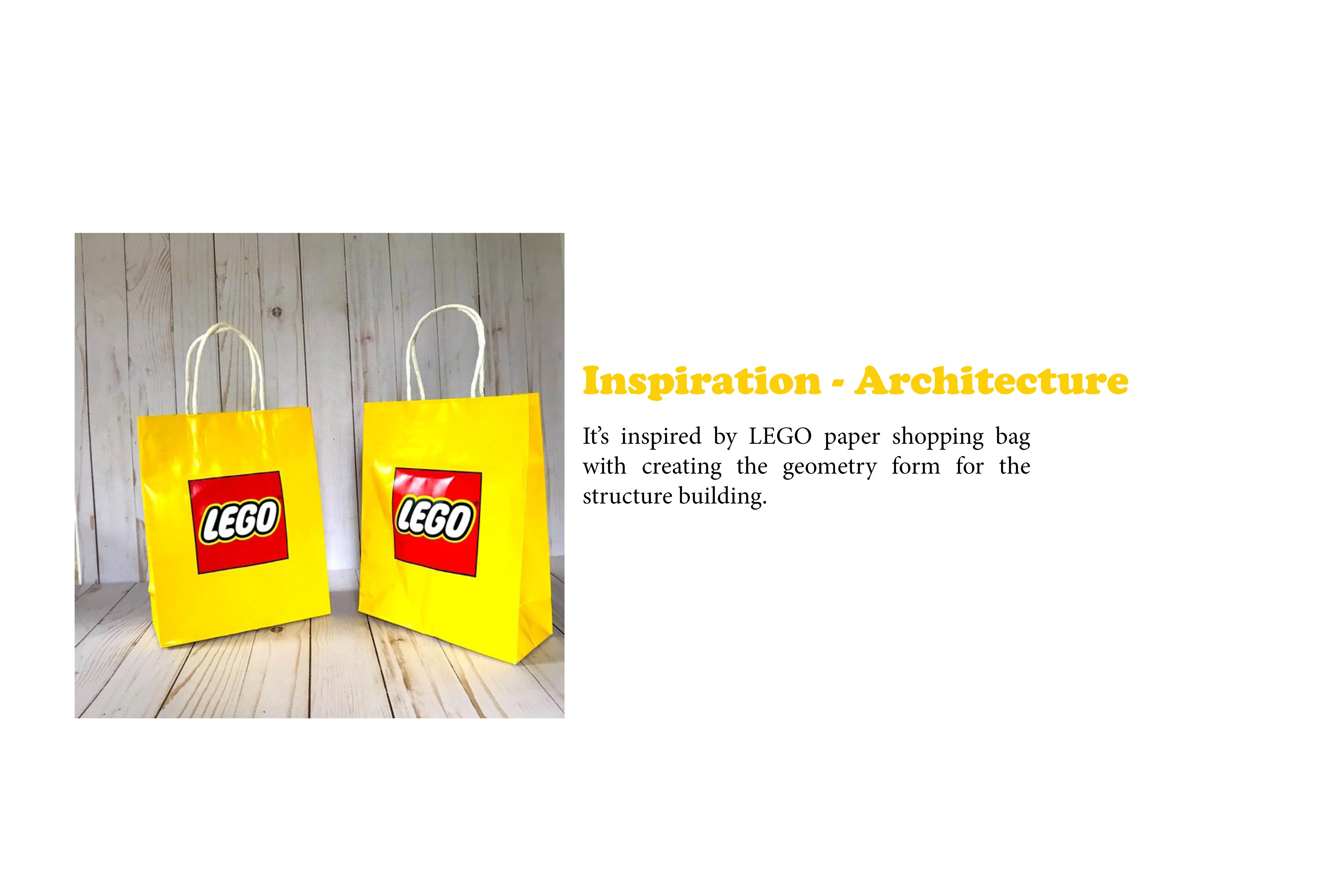
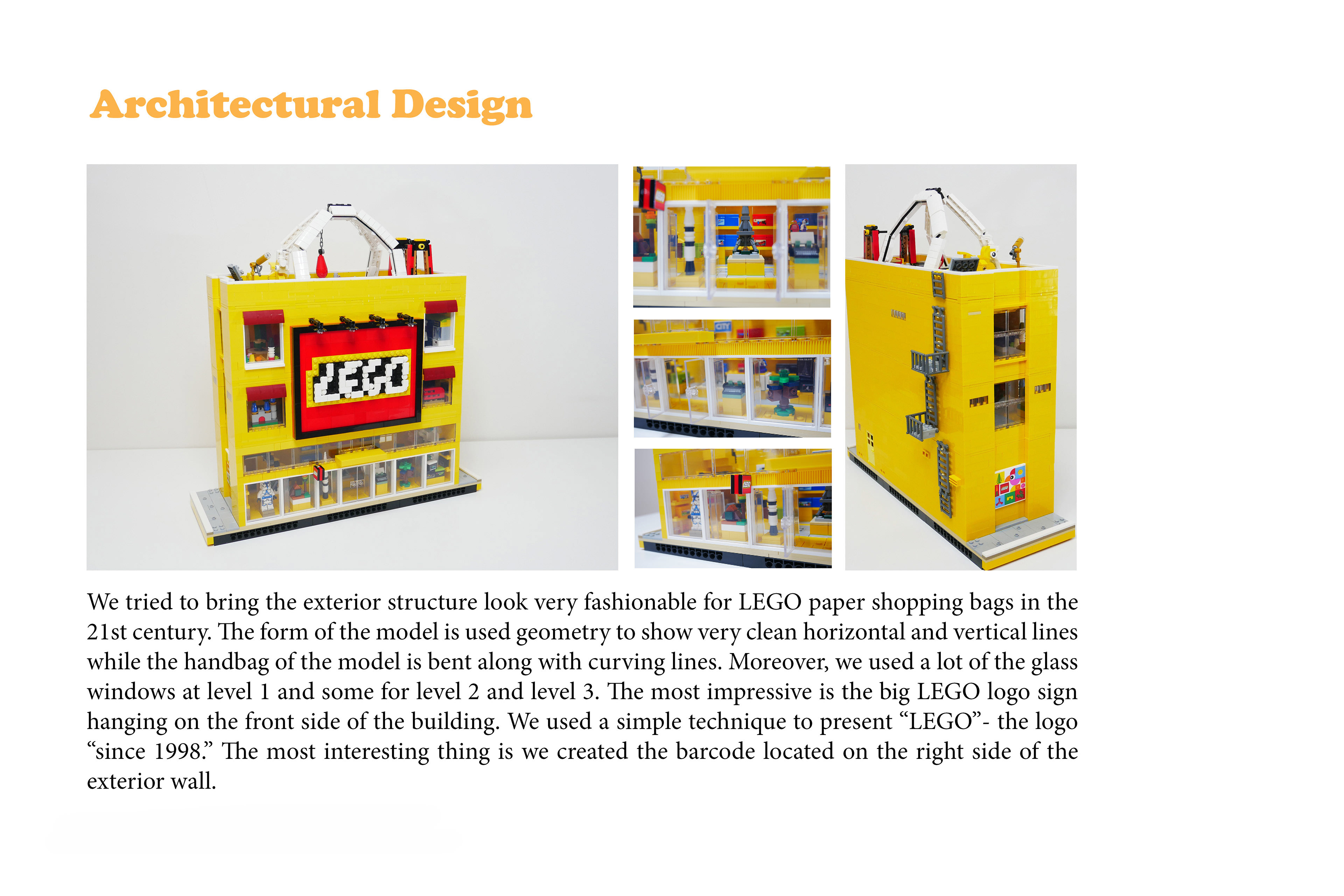
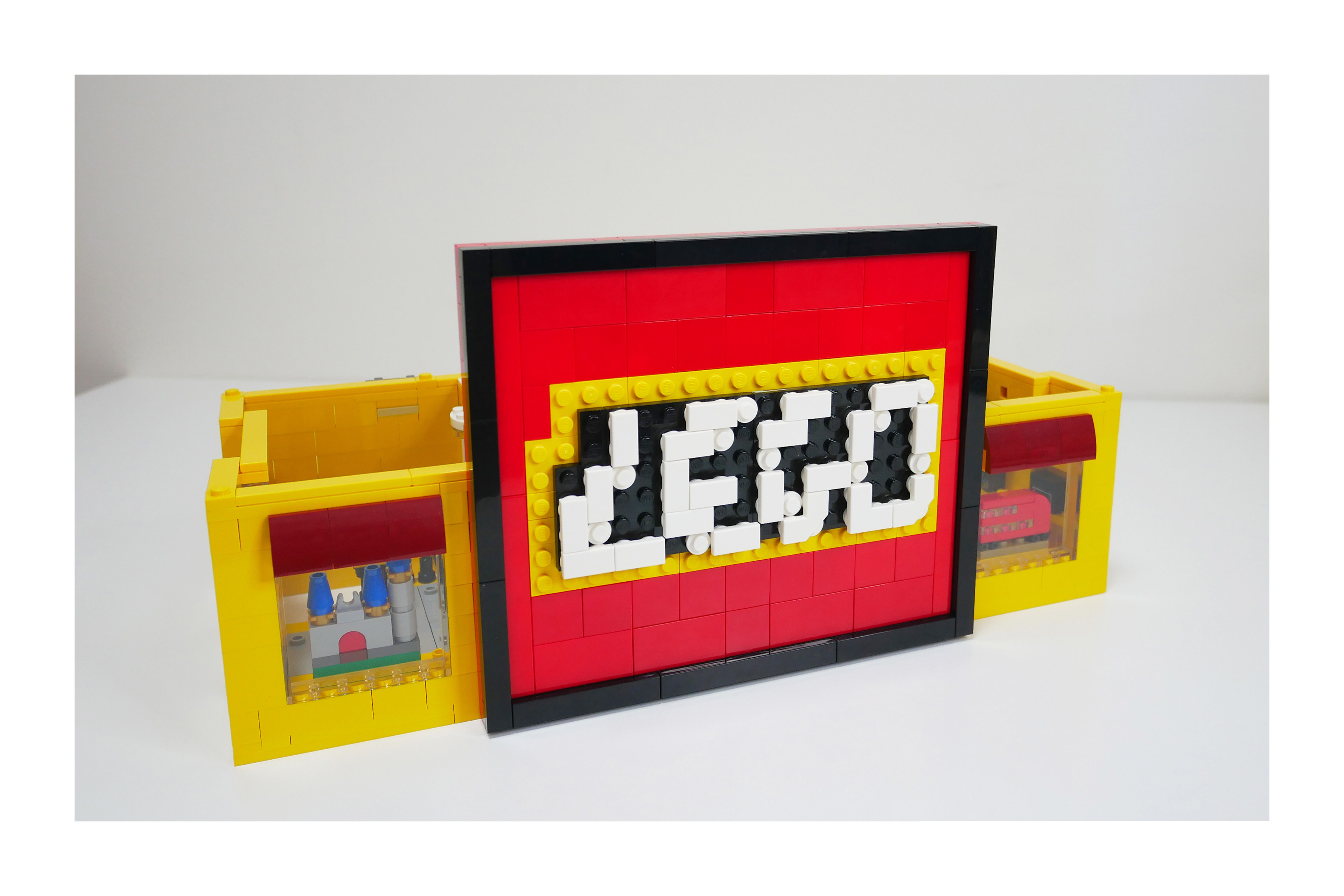
The exterior takes inspiration from the physical characteristics of a LEGO paper shopping bag, translating its recognizable graphic identity into architectural form. The main building combines horizontal and vertical geometric shapes, creating a contemporary and streamlined facade. In contrast, the shopping-bag-inspired architectural element introduces curved lines and softer geometries, creating a visual tension between rigid architectural geometry and playful organic form. Large areas of glazing are incorporated throughout the building, particularly on Levels 1–3, allowing the interior LEGO experience to become visible from the street. The highlight of the facade is the large LEGO logo, designed as a powerful architectural symbol and a prominent visual landmark. Another playful architectural detail is the barcode integrated into the exterior wall, transforming an ordinary graphic element from a shopping package into part of the building's facade.
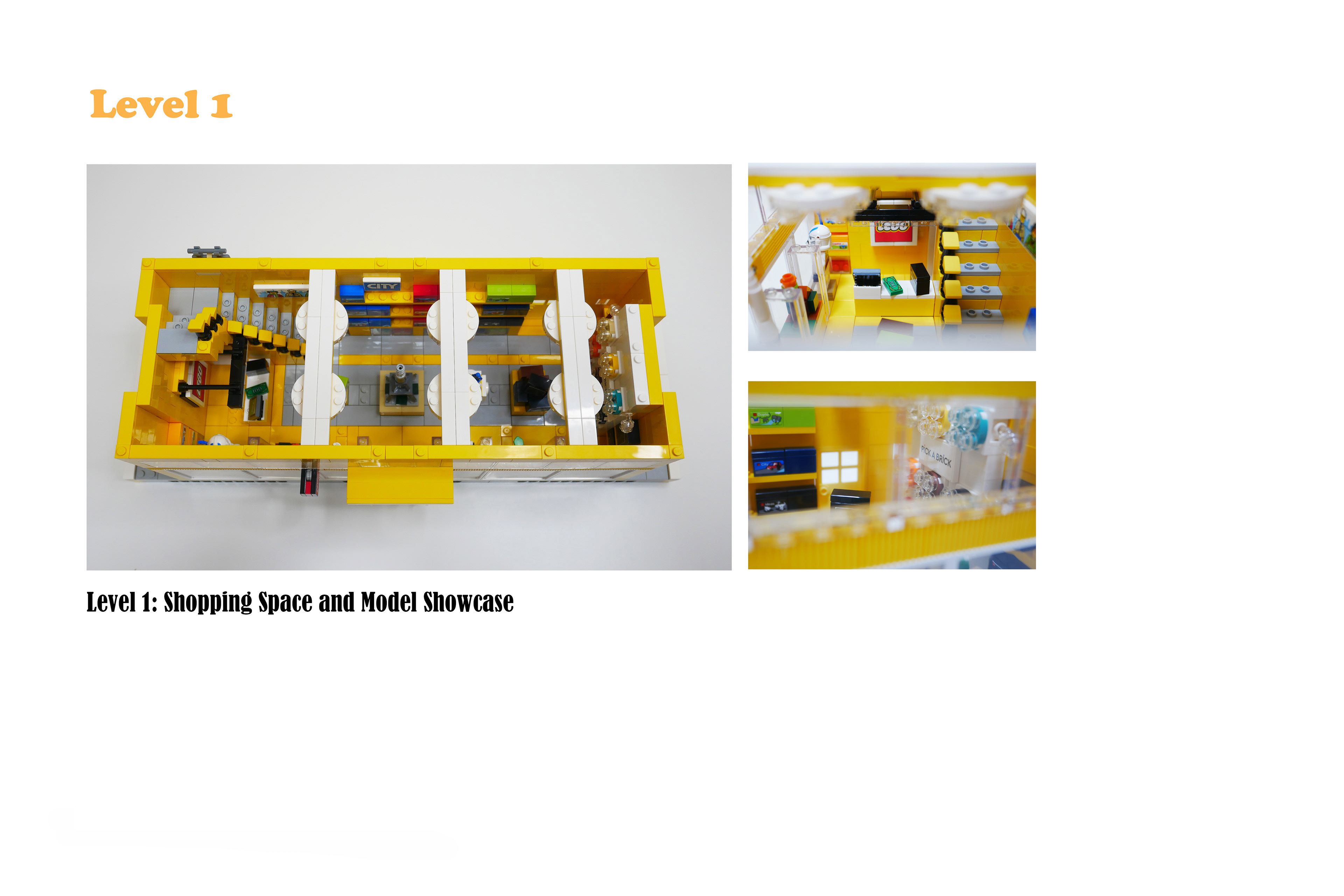
Level 1 — Shopping & Model Showcase
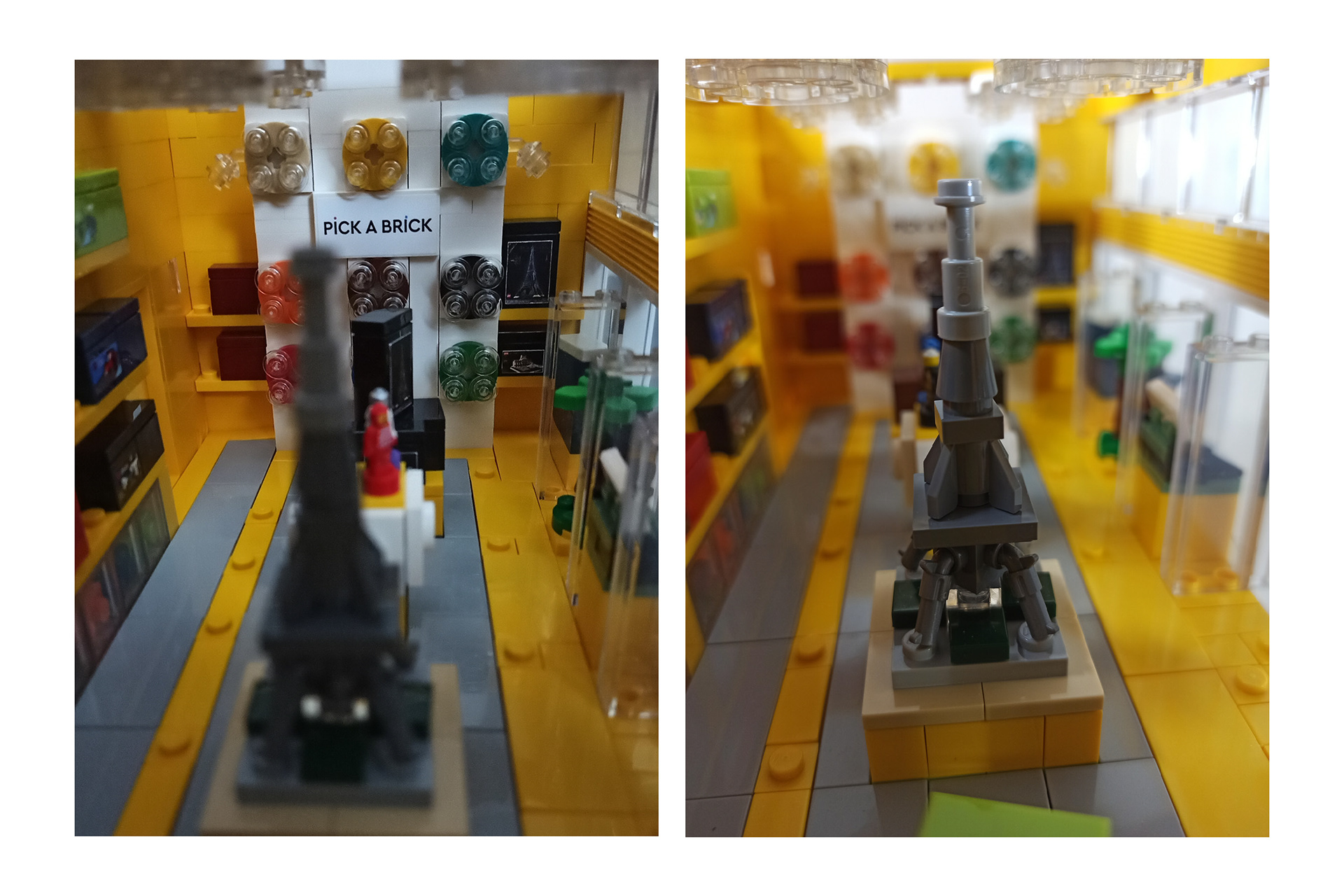
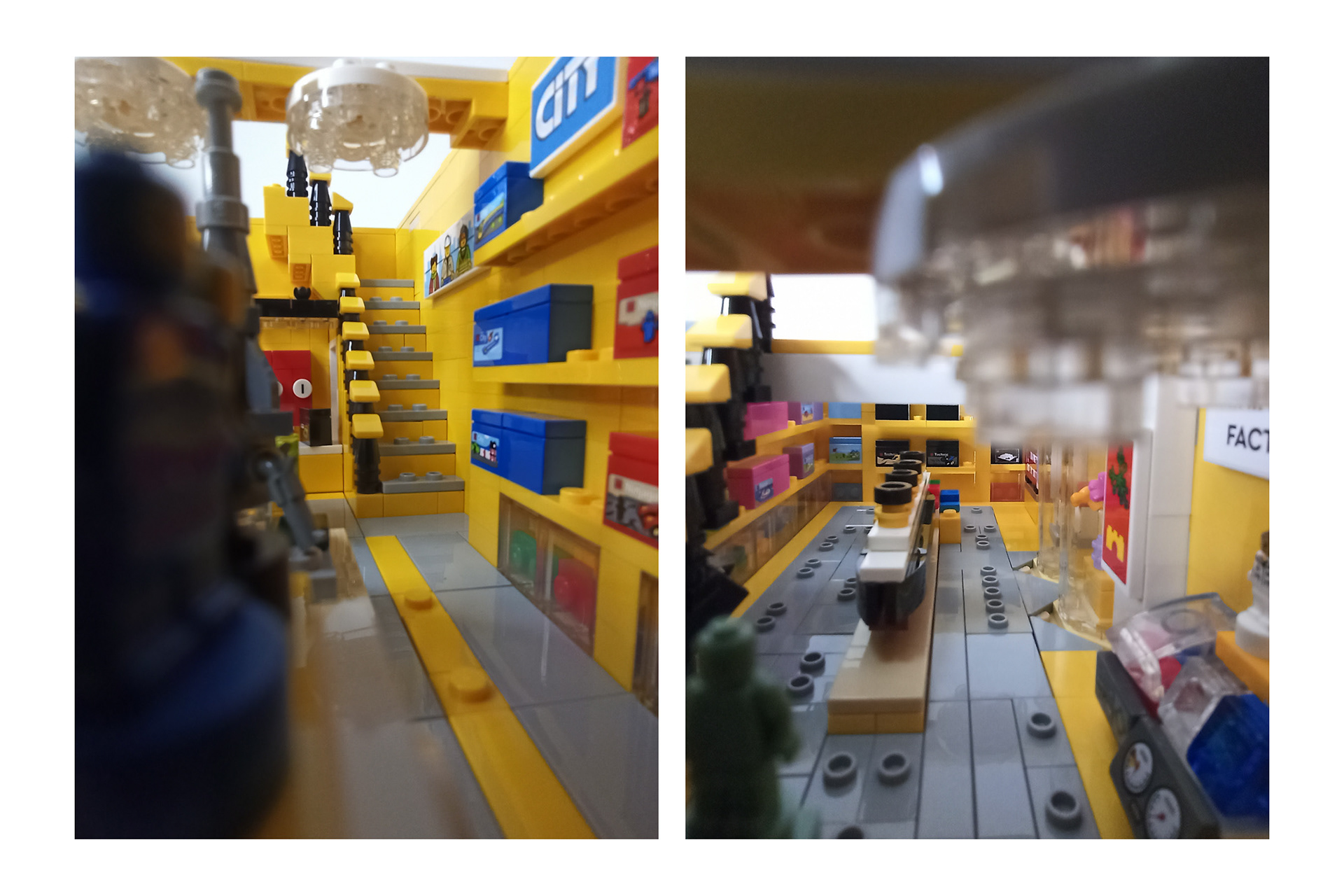
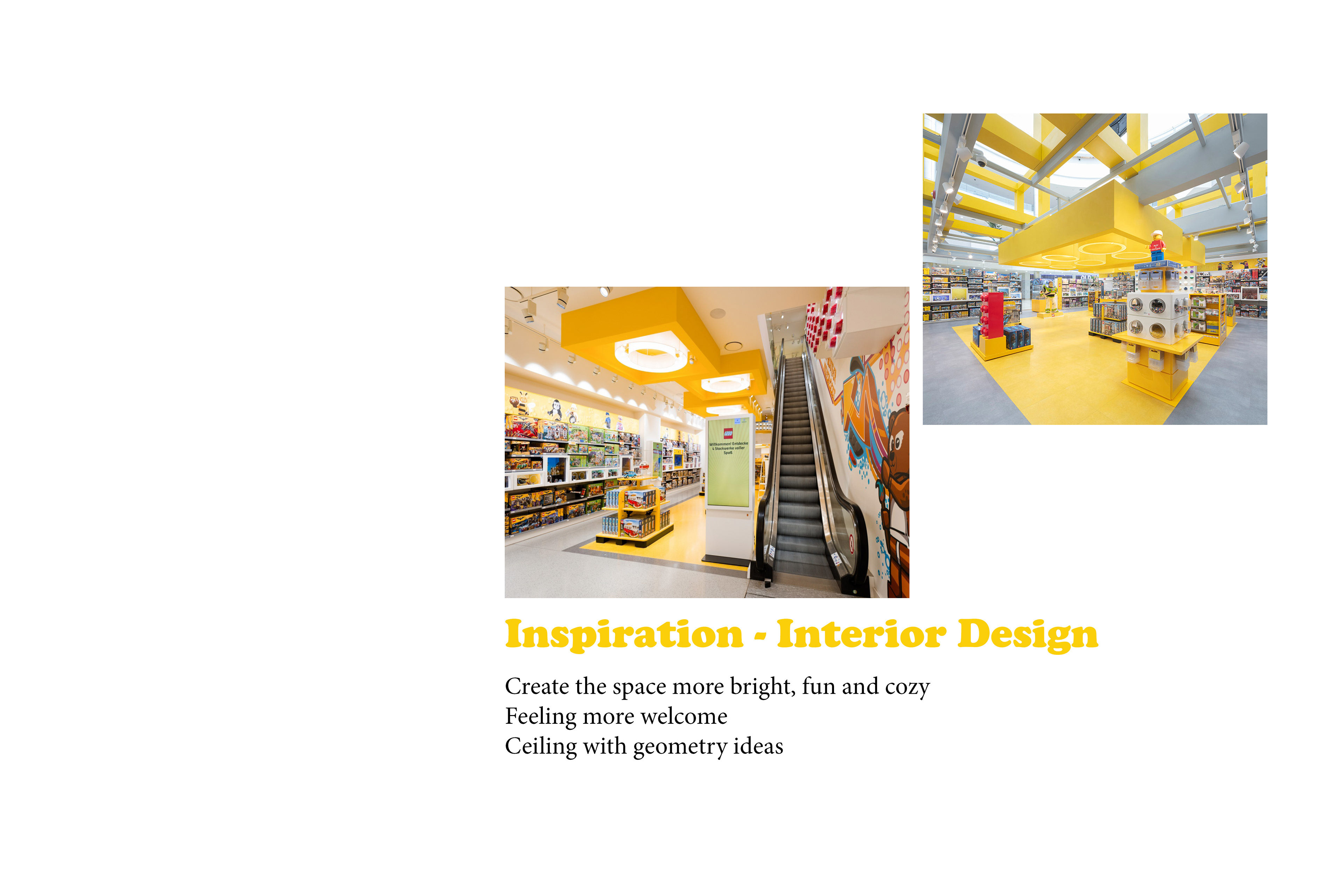
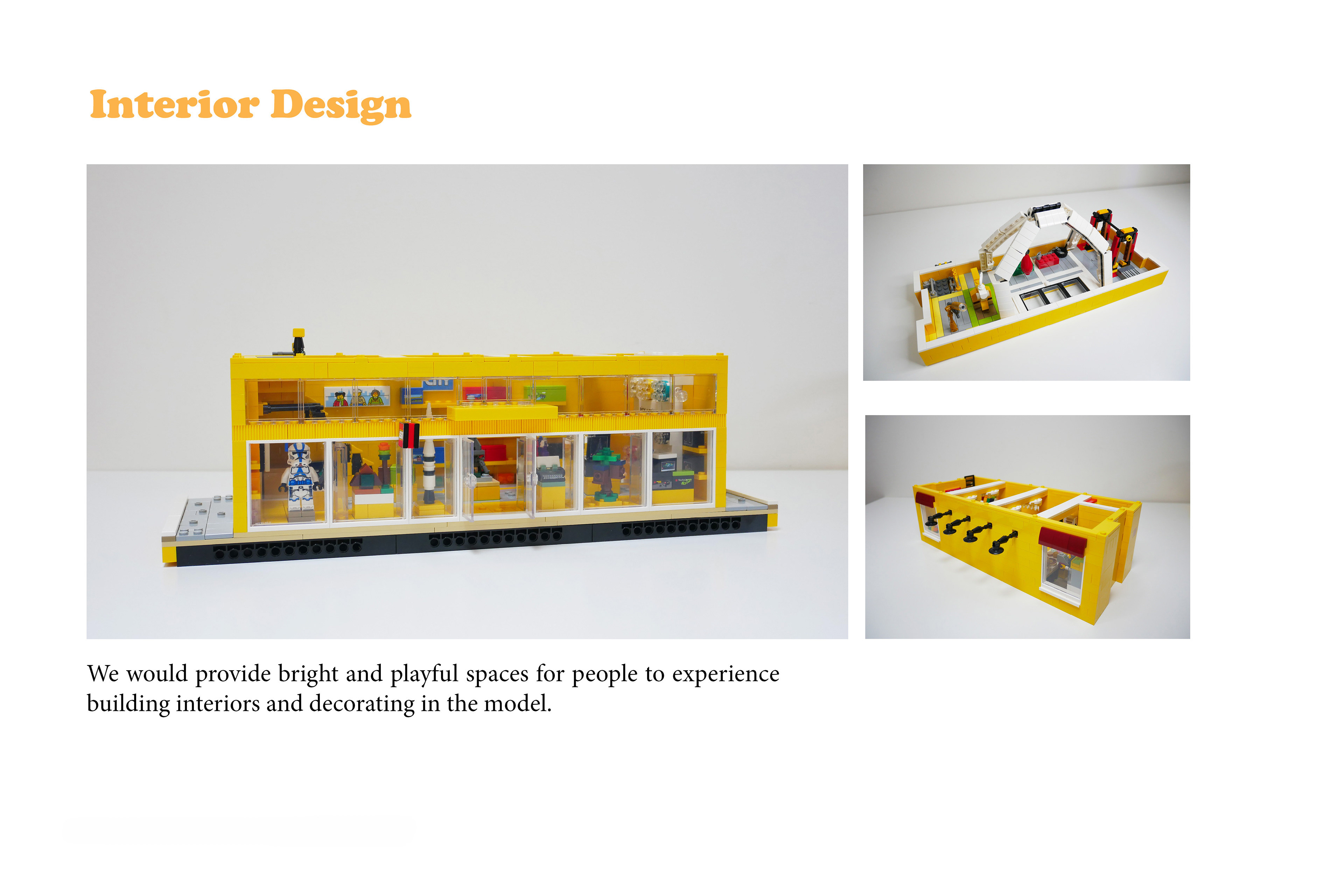
Level 1 functions as the primary public entrance and retail environment. The main display area is positioned near the large front windows, allowing the LEGO creations to be visible from the street. A higher ceiling creates a sense of openness and enhances the arrival experience. LEGO products are organized on colorful display shelves throughout the space. The cashier is positioned along one side of the interior, while the Pick a Brick area occupies the opposite wall. A compact storage space is integrated beneath the staircase to maximize the efficiency of the retail floor. The level also provides a direct connection to the warehouse, allowing products and materials to be transported efficiently between the service and retail areas.
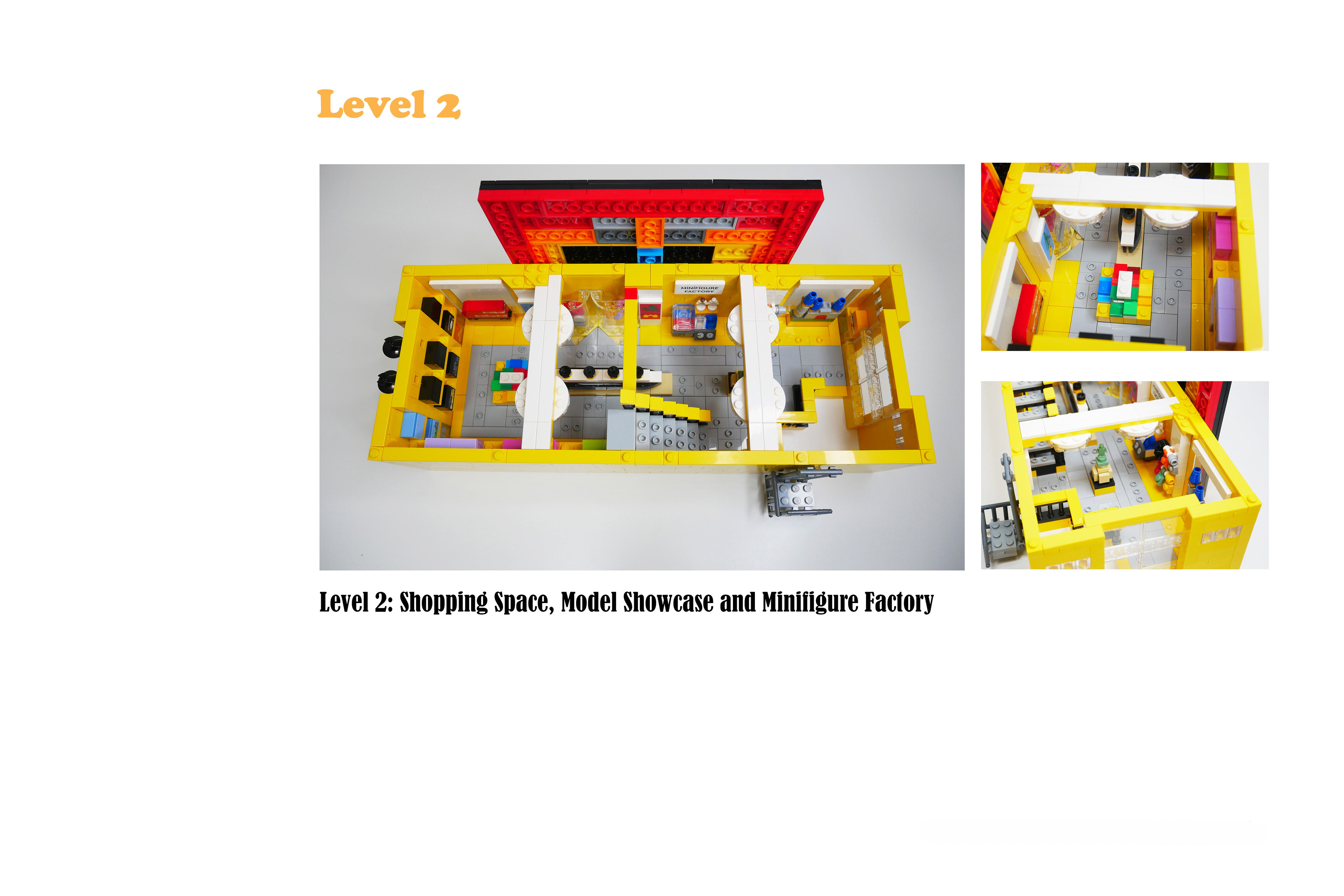
Level 2 — Shopping, Exhibition & Minifigure Factory
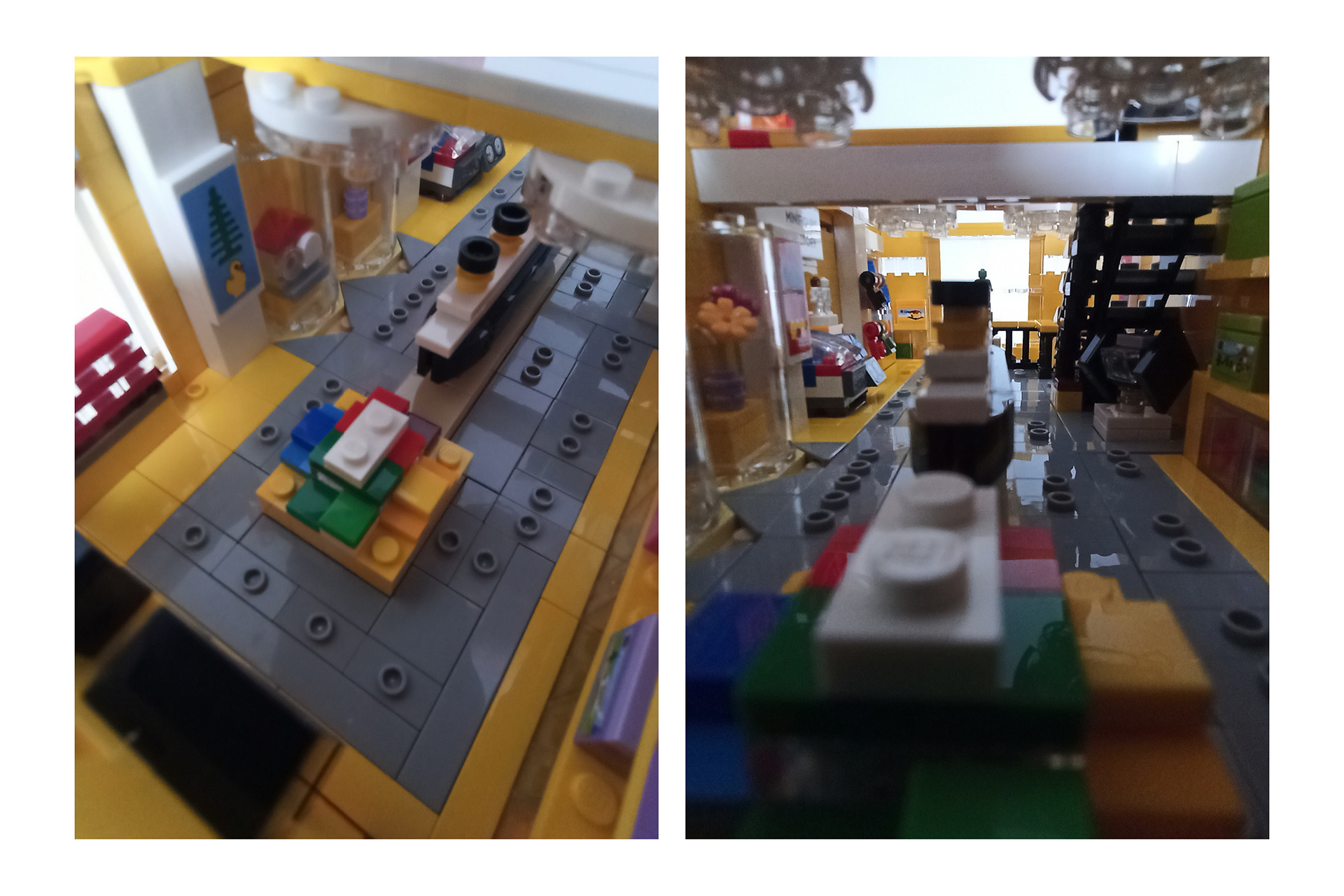
Level 2 continues the retail experience while providing additional space for LEGO model exhibitions and product displays. This floor has a lower ceiling than the first floor, creating a different spatial atmosphere. One of the signature features is the Minifigure Factory, a dedicated space where visitors can explore the concept of creating personalized LEGO Minifigures. The area transforms the traditional retail experience into an interactive and creative activity.
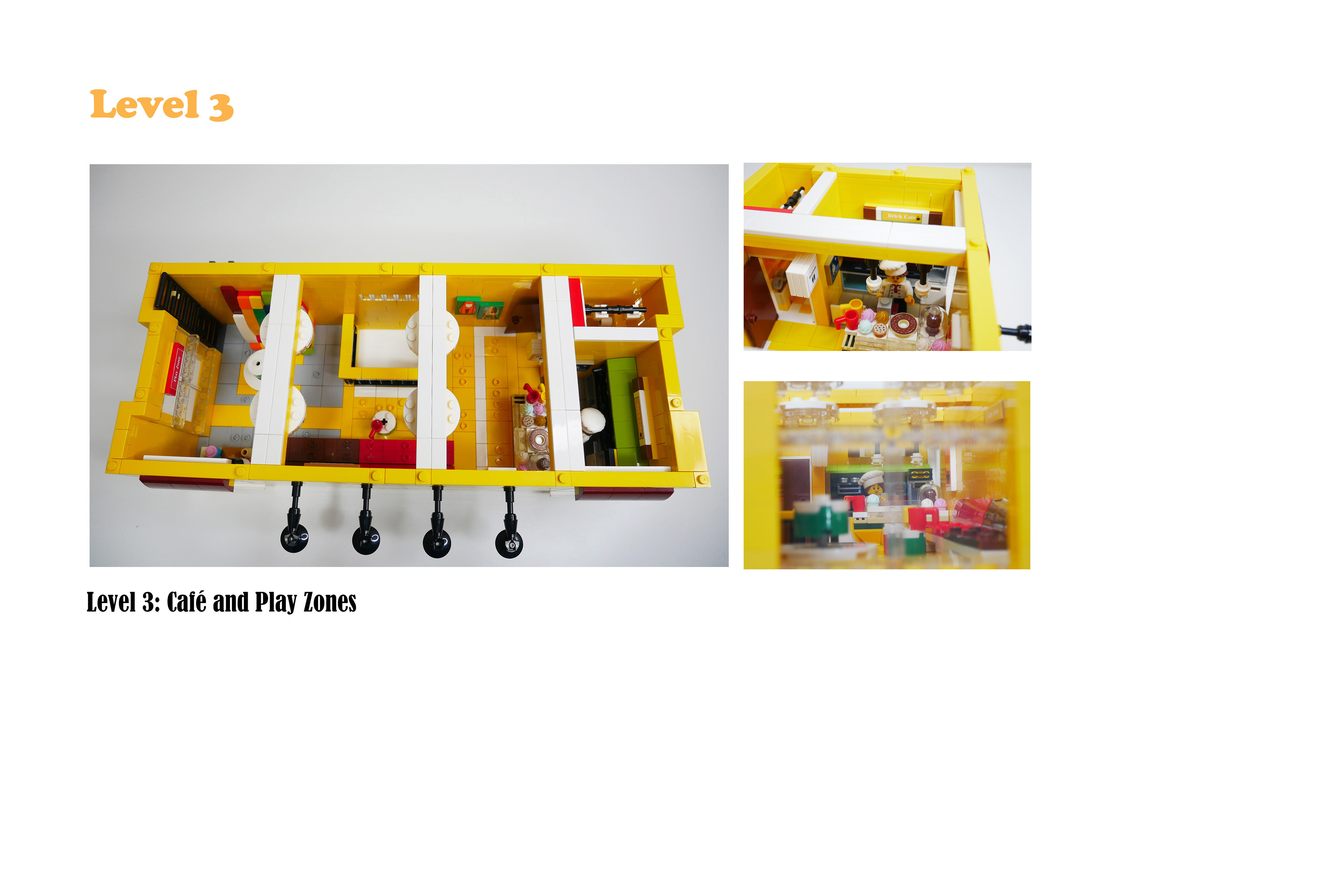
Level 3 — Café & Play Zone
Café Zone
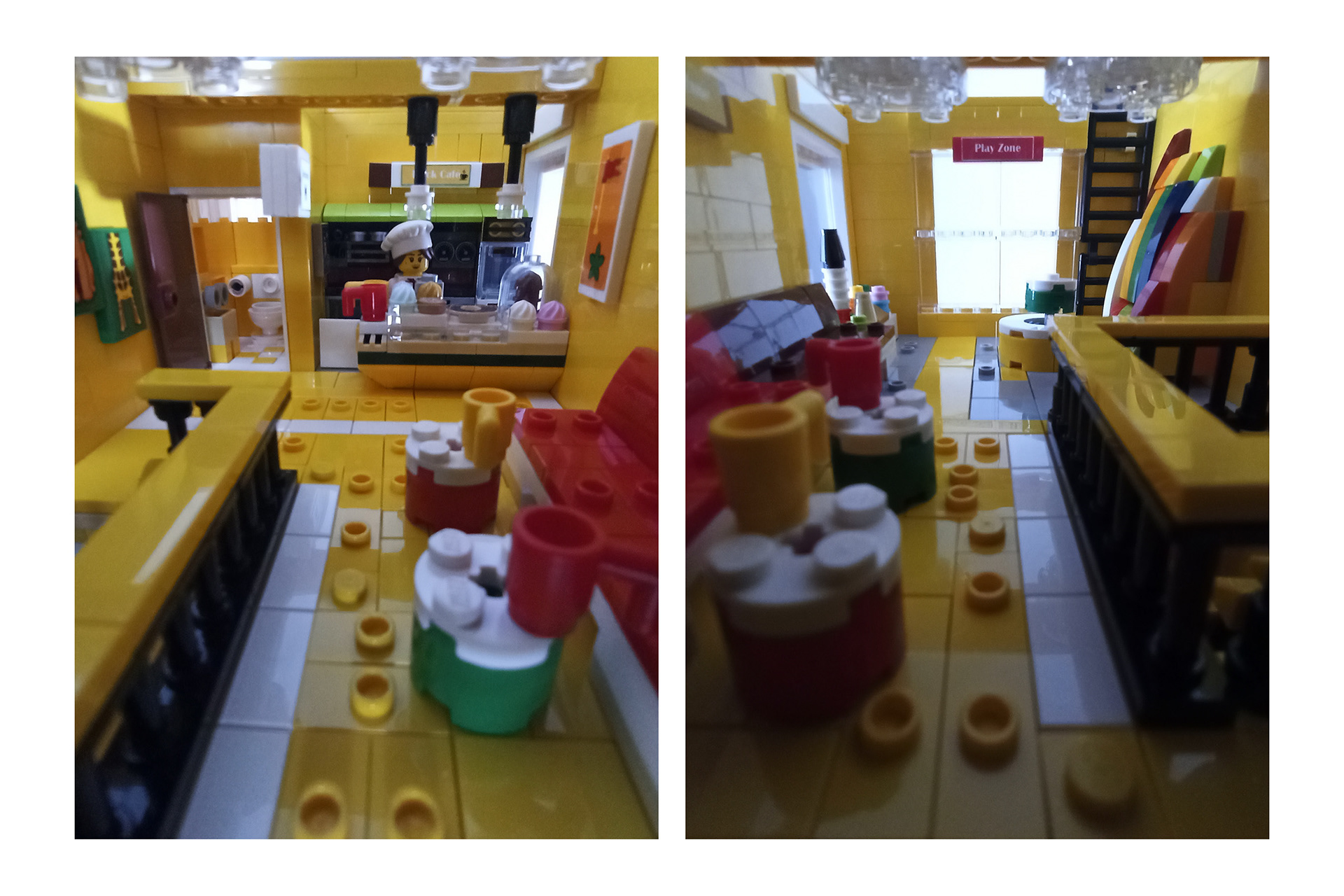
The LEGO Café provides a place for visitors to relax after shopping, enjoy coffee, cake, or a donut, and spend time with friends and family. Long built-in benches and small round tables create a casual and flexible seating environment. The café is also designed with parents in mind, providing a comfortable place to relax while children participate in activities within the adjacent Play Zone. A skylight introduces natural light into the interior and creates a stronger connection between the café and the sky above.
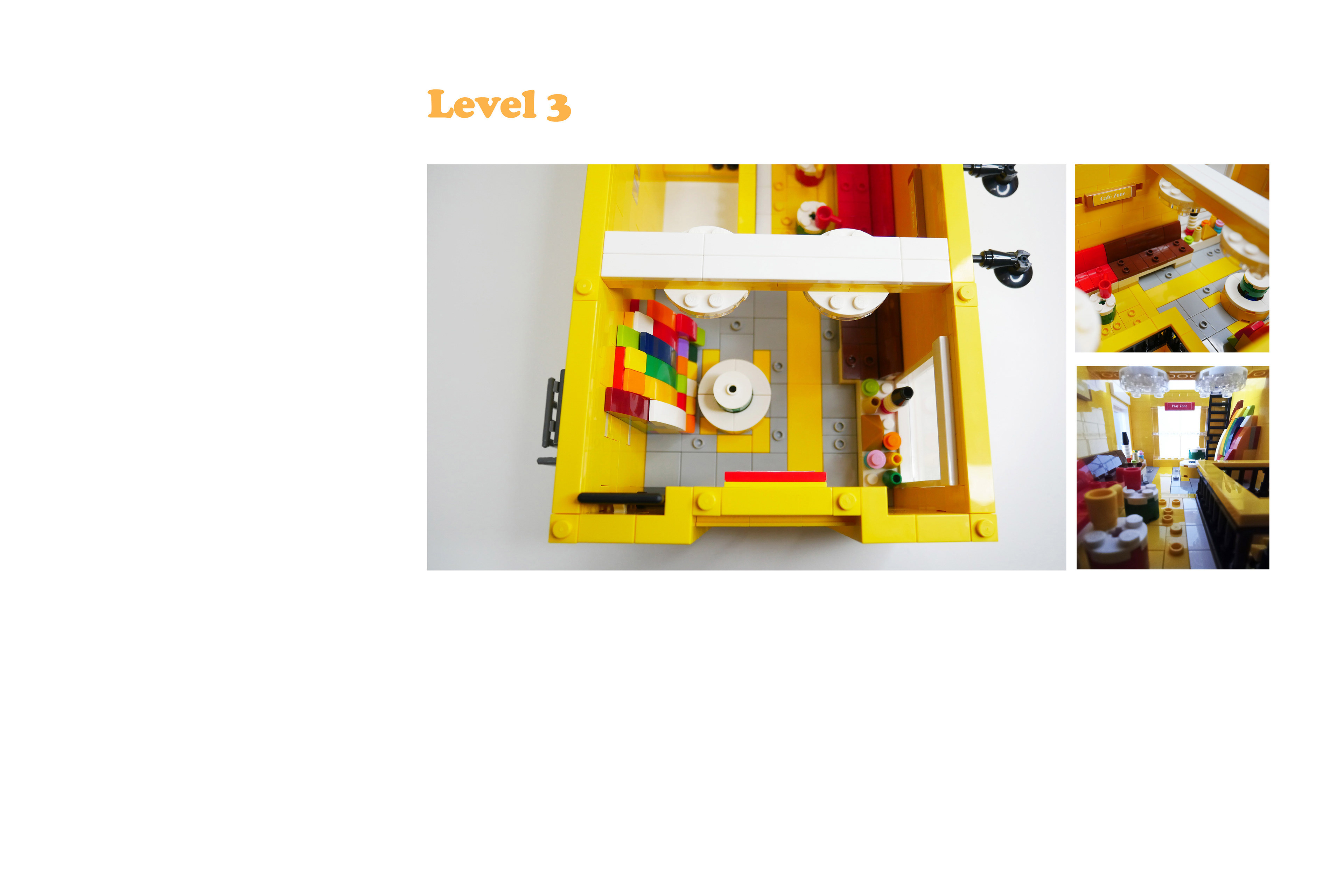
Play Zone
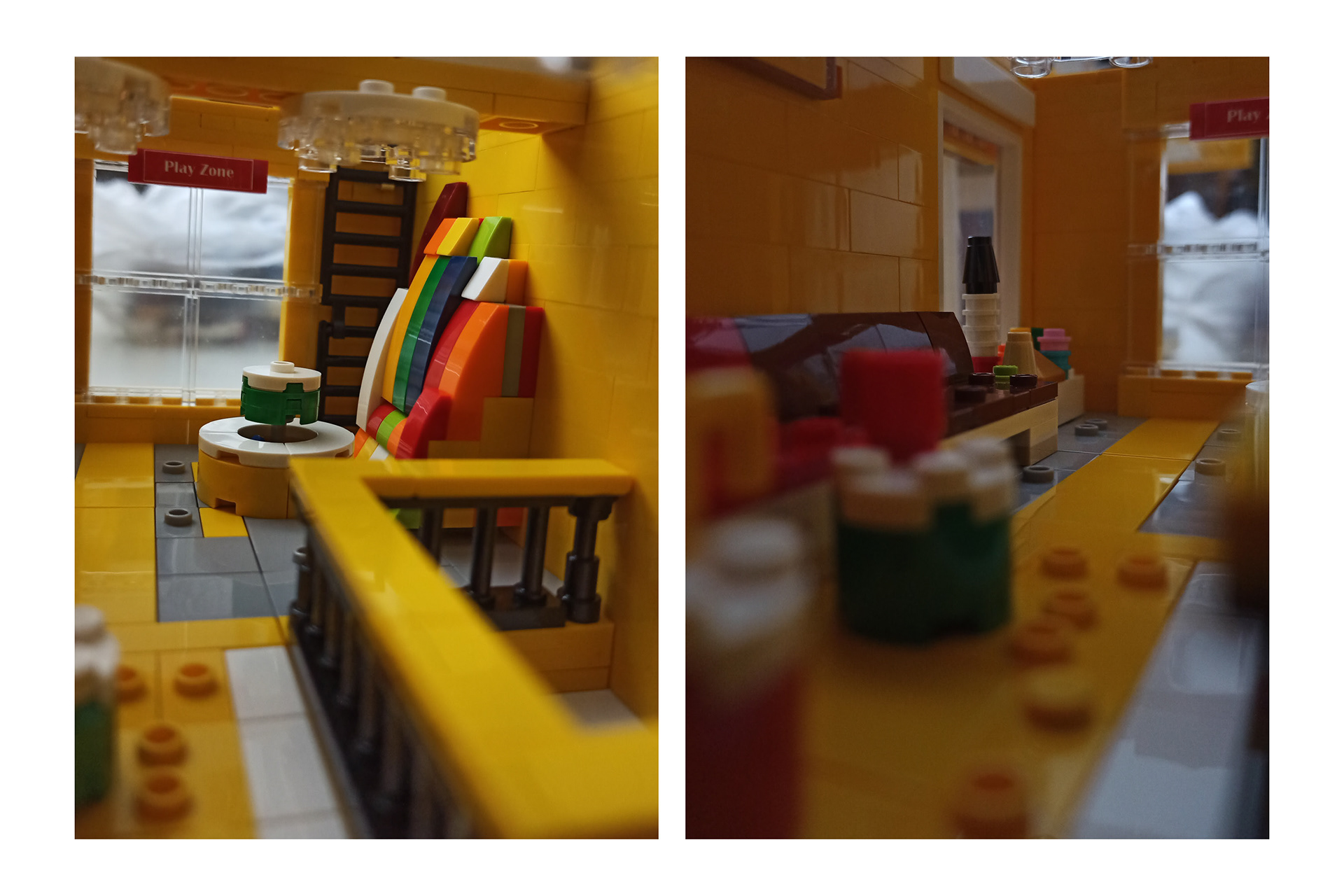
The Play Zone is designed as a dedicated environment for children and families to play, build, gather, and share their LEGO creations. Colorful architectural elements, including a playful waterfall-inspired installation, create an imaginative environment. The emergency access system is integrated into the architecture, with a ladder providing access to the rooftop.
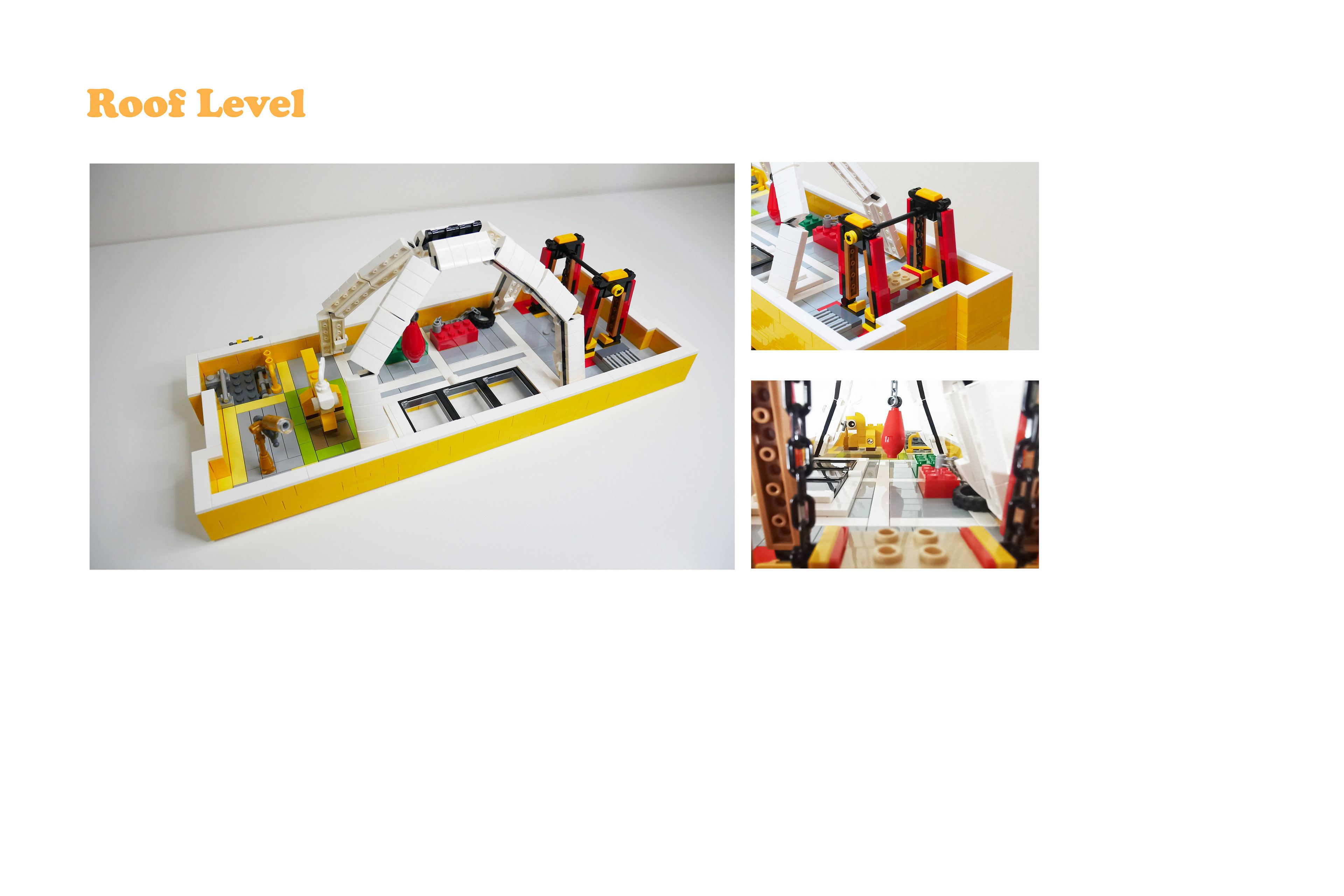
Roof Level — Employee Zone
The roof level is dedicated to LEGO employees and provides a more informal environment for team meetings, relaxation, recreation, celebrations, and social interaction. Instead of treating the rooftop as merely a technical or service area, the project transformed it into a cheerful and inspiring space for employees. A swing, telescope, and rocking horse introduce elements of childhood play into the workplace, reinforcing the idea that creativity and play should remain part of the LEGO experience—even for the people who work there.
Dimensions
LEGO Shopping Bag Component
Height: 15 in / 38.1 cm
Width: 12.6 in / 32.0 cm
Depth: 5 in / 12.7 cm
Entire LEGO MOC
Height: 15.8 in / 40.1 cm
Width: 15.7 in / 39.9 cm
Depth: 15.7 in / 39.9 cm
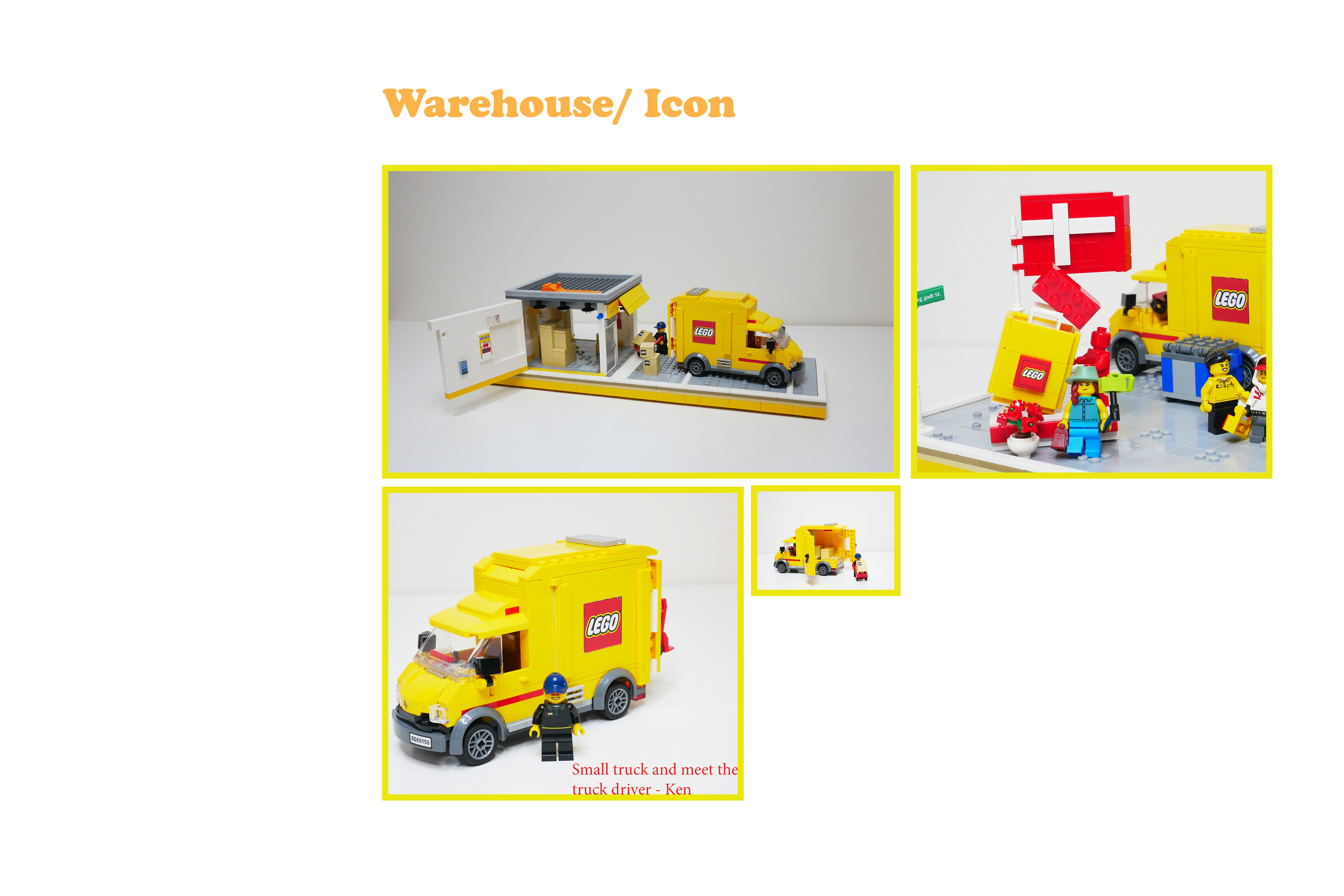
Among the many details throughout the project, my favorite is the micro-scale LEGO shopping bag icon positioned at the front of the shop. Despite being one of the smallest architectural details of the model, it represents one of the project's most significant design challenges: transforming a familiar object into an architectural form while simultaneously scaling it down to fit the proportions of LEGO bricks. This tiny element captures the playful and fashionable character of the entire project.